

Philia Blog

Learn what families should prepare before a parent leaves the hospital, including medications, home safety, follow-up care, and in-home support.
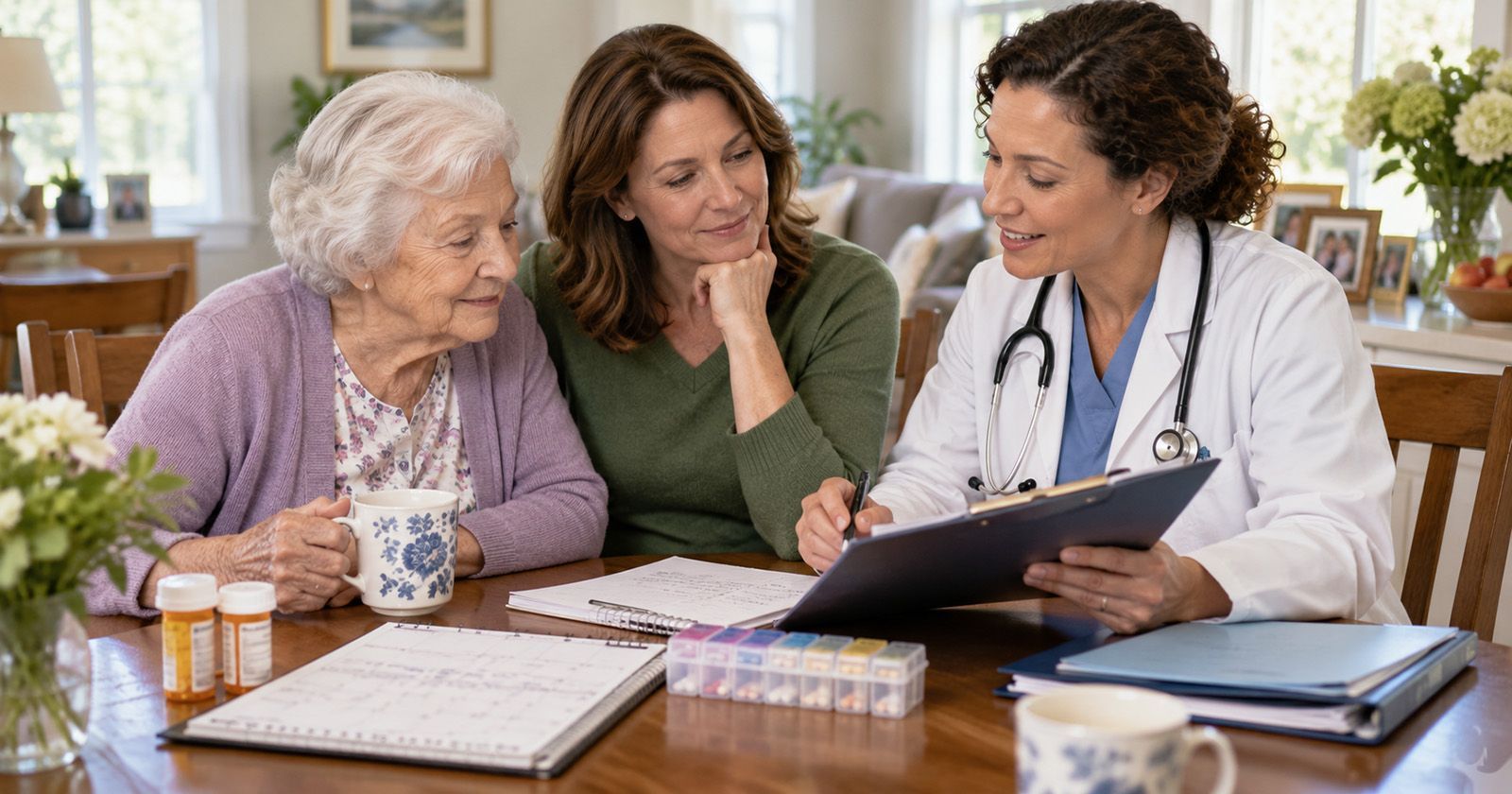
Learn how to coordinate home care with doctors and discharge planners to support a safer hospital-to-home transition and reduce gaps in care.
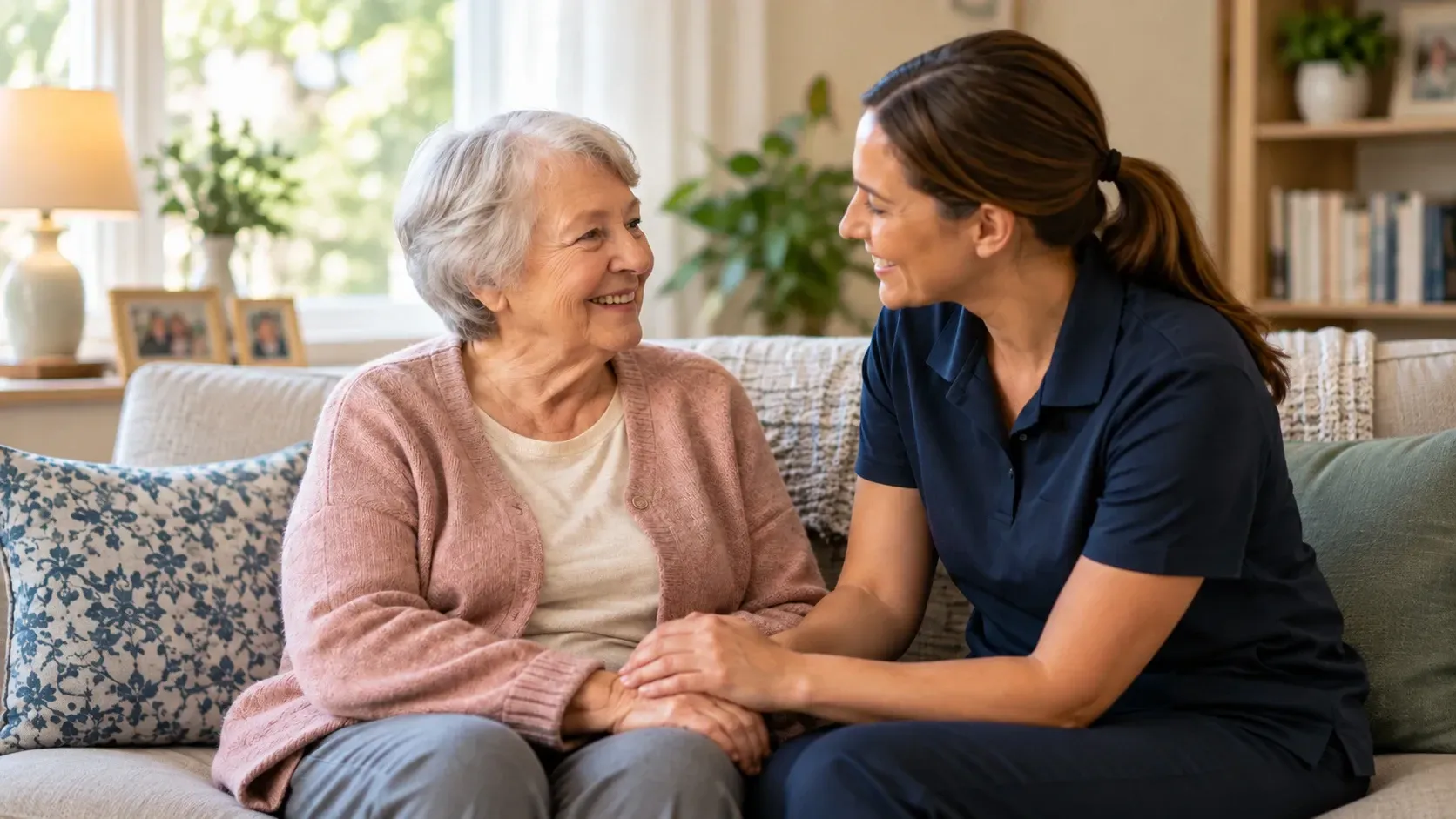
Learn how to transition a parent into home care with less stress by building trust, creating a consistent routine, and easing caregiver resistance.
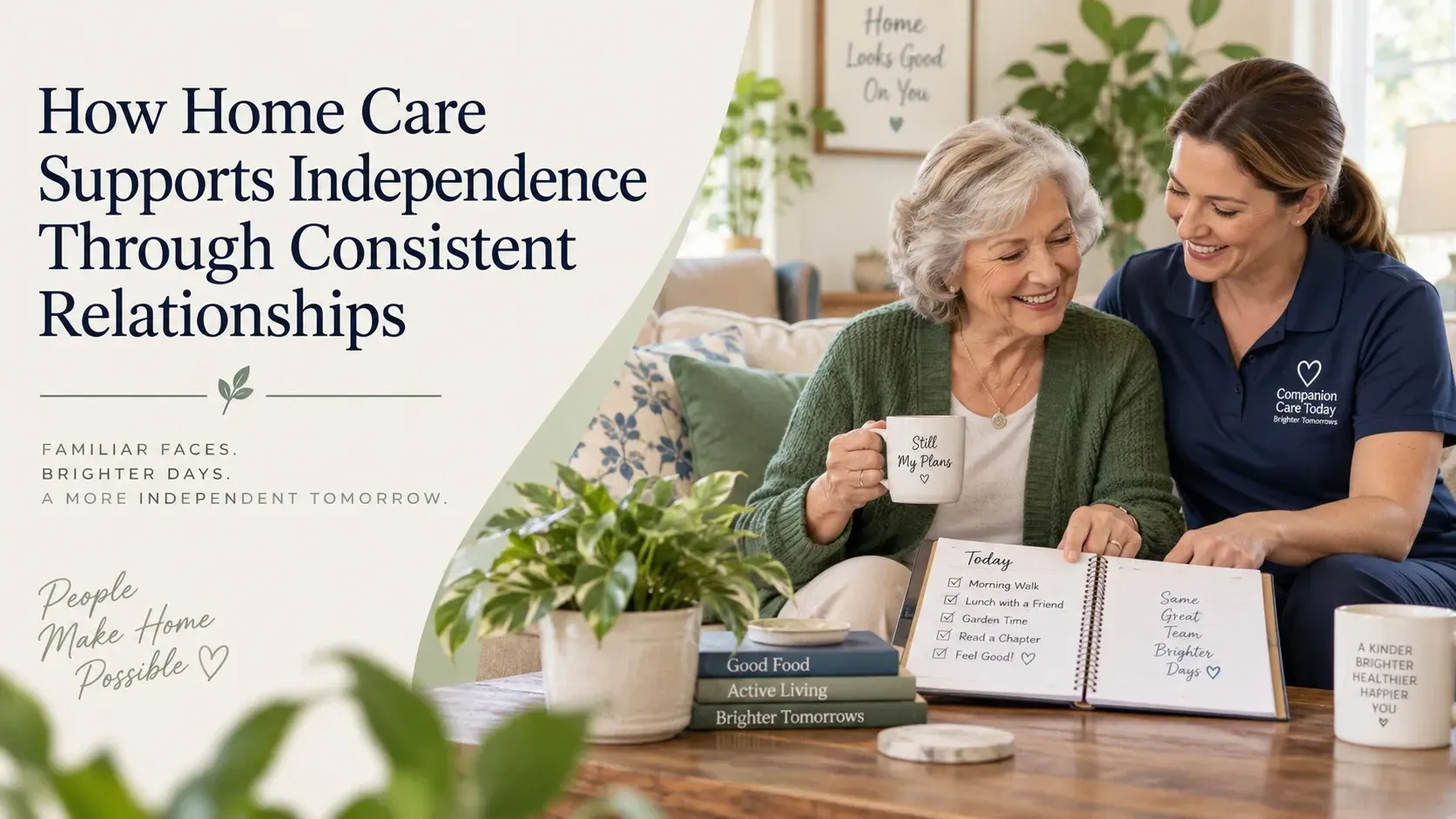
Learn how consistent caregiver relationships help older adults maintain independence, build trust, stay safe, and age in place with confidence.
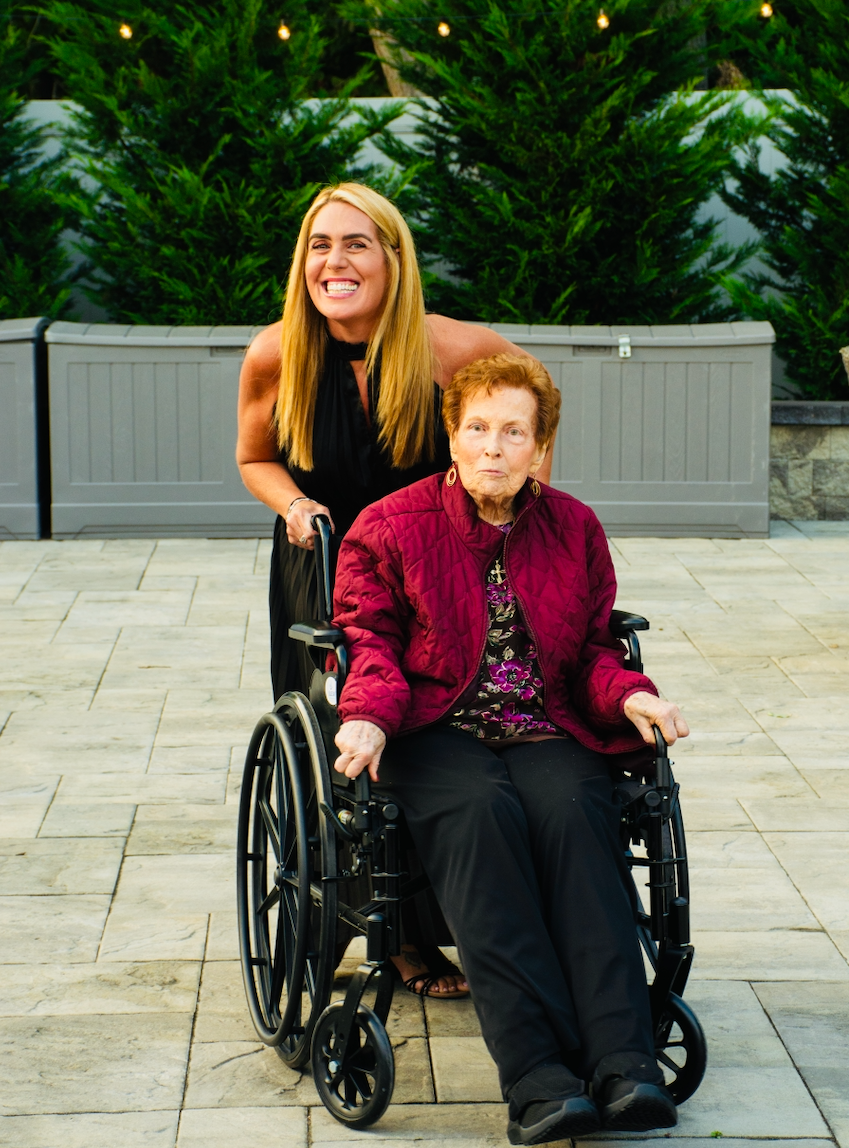
As Long as I Can Still Make Her Dance

Learn how families, caregivers, and professional care teams work together through clear communication, shared care plans, and ongoing support.
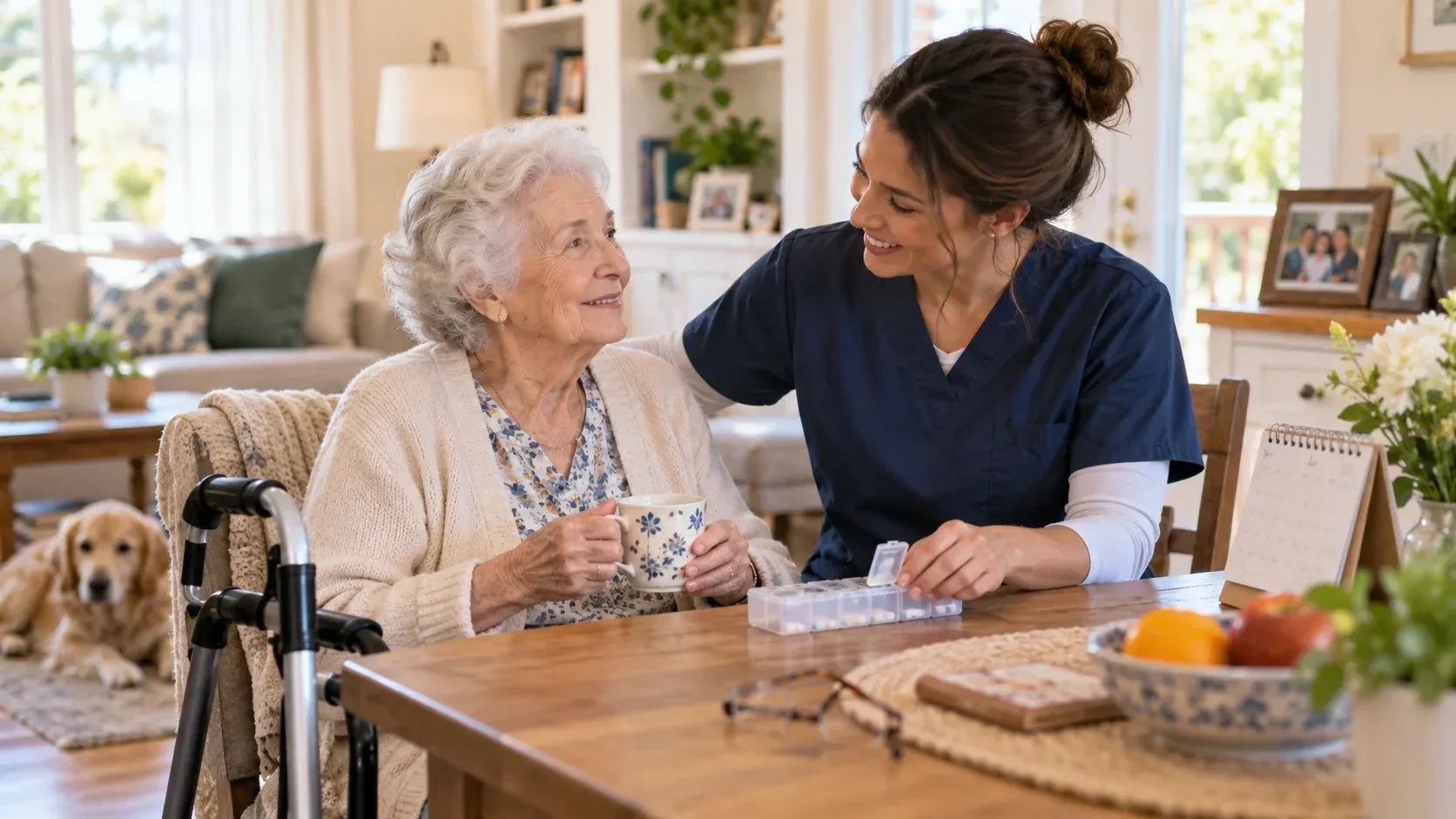
Learn the truth behind 7 common misconceptions about senior home care, from caregiver quality and family support to timing, oversight, and care plans.
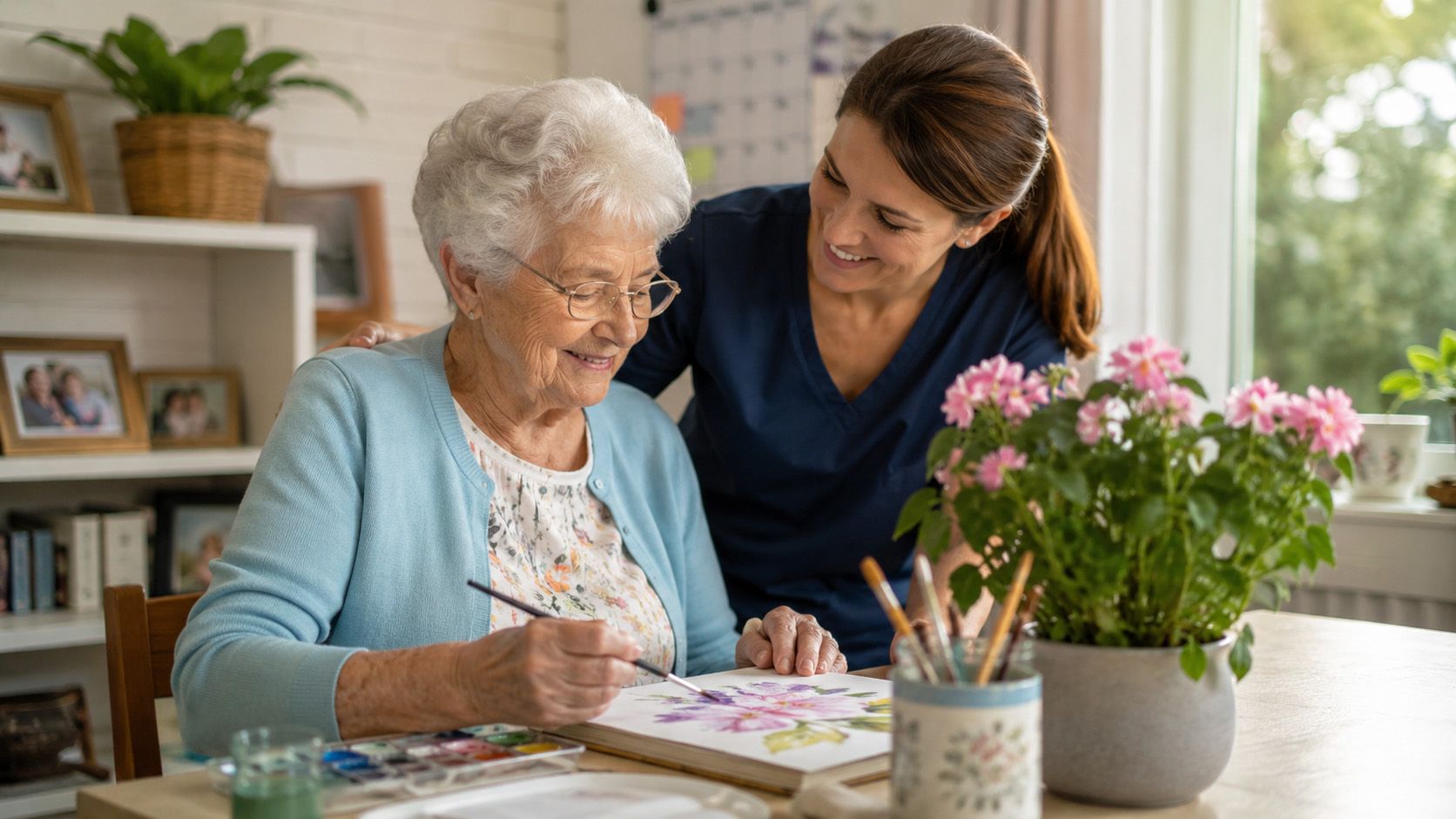
Learn why engagement and purpose belong in every senior care plan, and how meaningful activities, connection, and caregiver support can improve well-being.
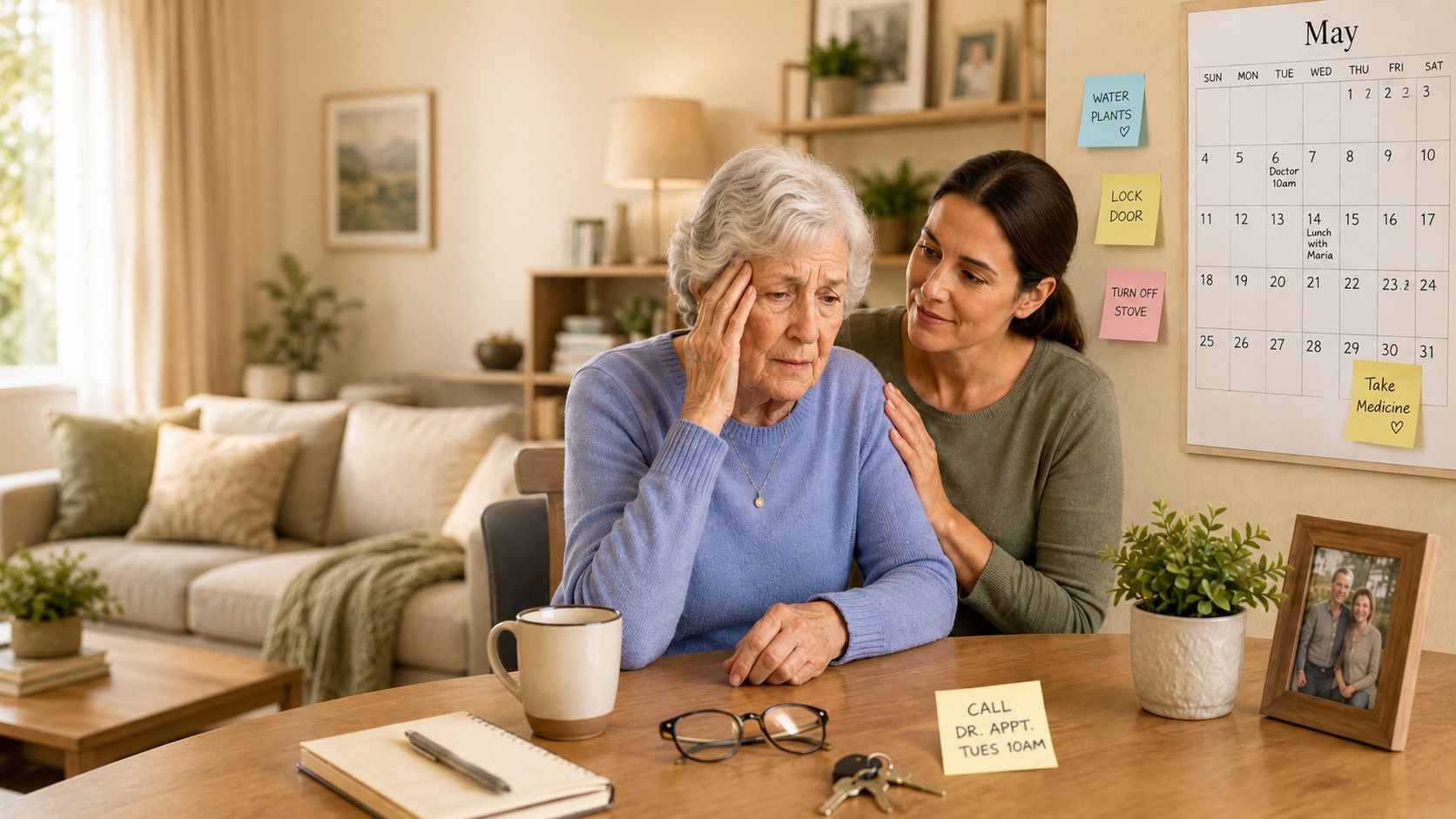
What makes early dementia so difficult to recognize. The signs are real, but they're subtle enough that the people closest to the situation often second-guess themselves.

Sometimes a home can be made safer but not safe enough, particularly when a person's care needs change faster than the environment can adapt.