
How Home Care Supports Seniors During and After Cancer Treatment
A cancer diagnosis changes everything: the medical calendar, the daily routine, the family dynamic, and the level of support a person needs at home. For older adults especially, treatment doesn't happen in isolation. It happens inside a life that still needs to function: meals need to be prepared, medications managed, appointments attended, and the person going through treatment needs to feel as capable and dignified as possible on the hardest days.
This is where in-home senior care plays a role that most families don't think to ask about until
they're already overwhelmed.
------------------❤️------------------
What Changes During Cancer Treatment
Chemotherapy, radiation, and surgery each affect the body differently, but for older adults the common thread is increased vulnerability, to fatigue, infection, falls, medication interactions, and isolation. The side effects that a younger person manages with difficulty can be genuinely dangerous for a senior whose physical reserves are already reduced.
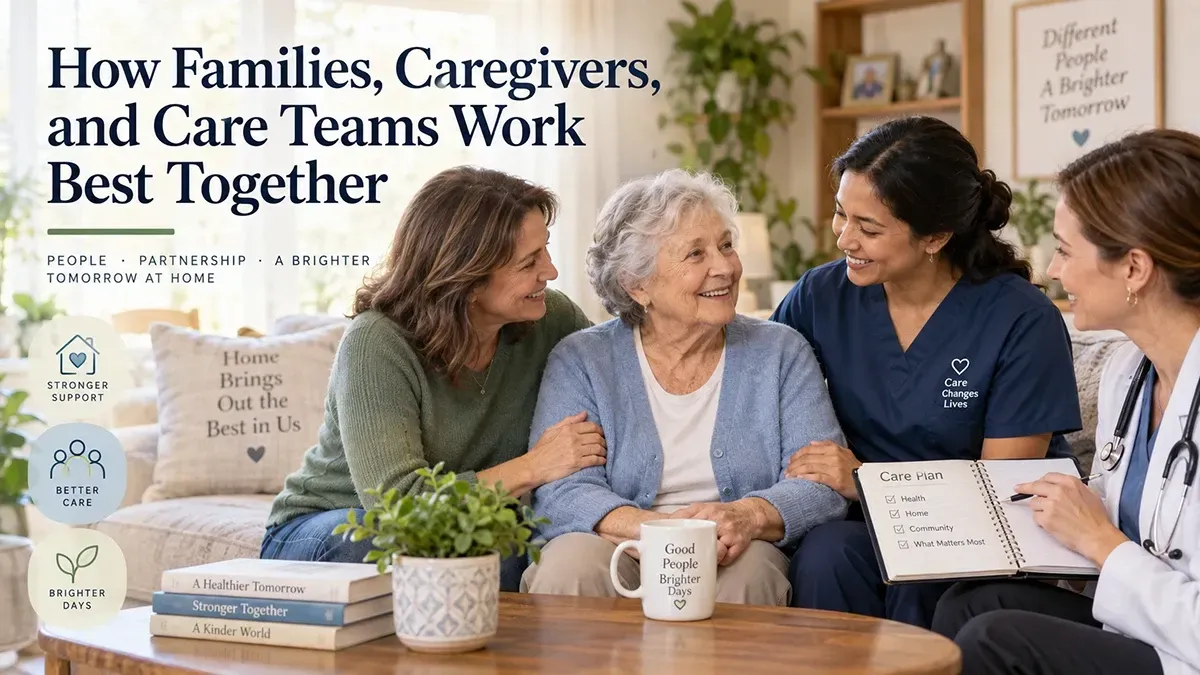
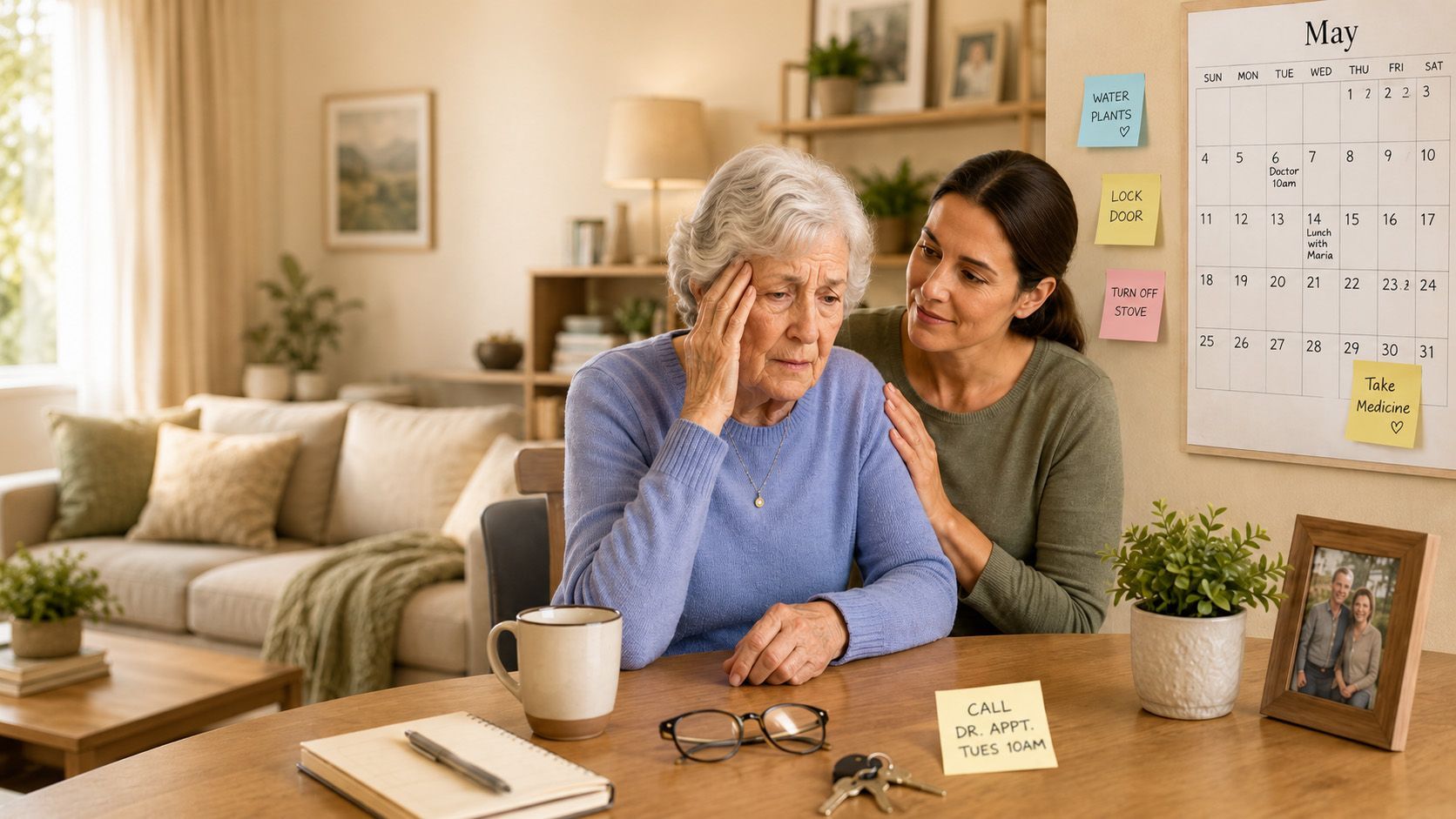
At the same time, the caregiving burden on family members spikes. Someone needs to get Mom to her Tuesday appointments. Someone needs to make sure she's eating when nausea makes that difficult. Someone needs to notice when she's not quite right, more confused than yesterday, more unsteady on her feet and know when that warrants a call to the care team.
Professional in-home care doesn't replace the family. It gives the family the support they need to be present in the ways that matter most.
------------------❤️------------------
How In-Home Care Helps During Active Treatment
Transportation and appointment support.
Cancer treatment involves a significant number of medical appointments, oncology visits, lab draws, imaging, specialist consultations. For seniors who no longer drive or whose driving has become unsafe, getting to these appointments consistently is not a small logistical problem. A caregiver who handles transportation ensures that treatment stays on schedule and that the senior isn't going alone.
Medication management.
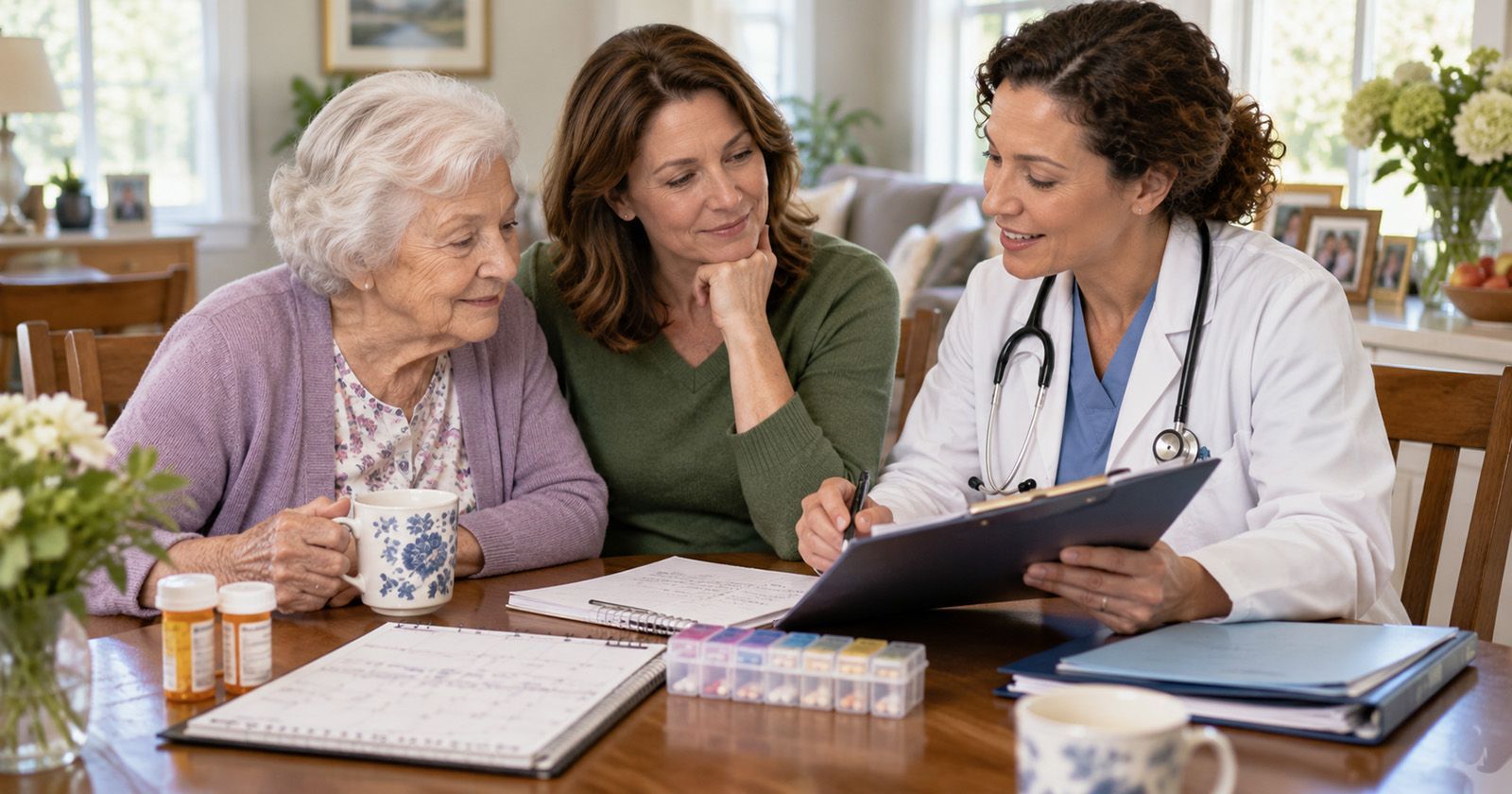
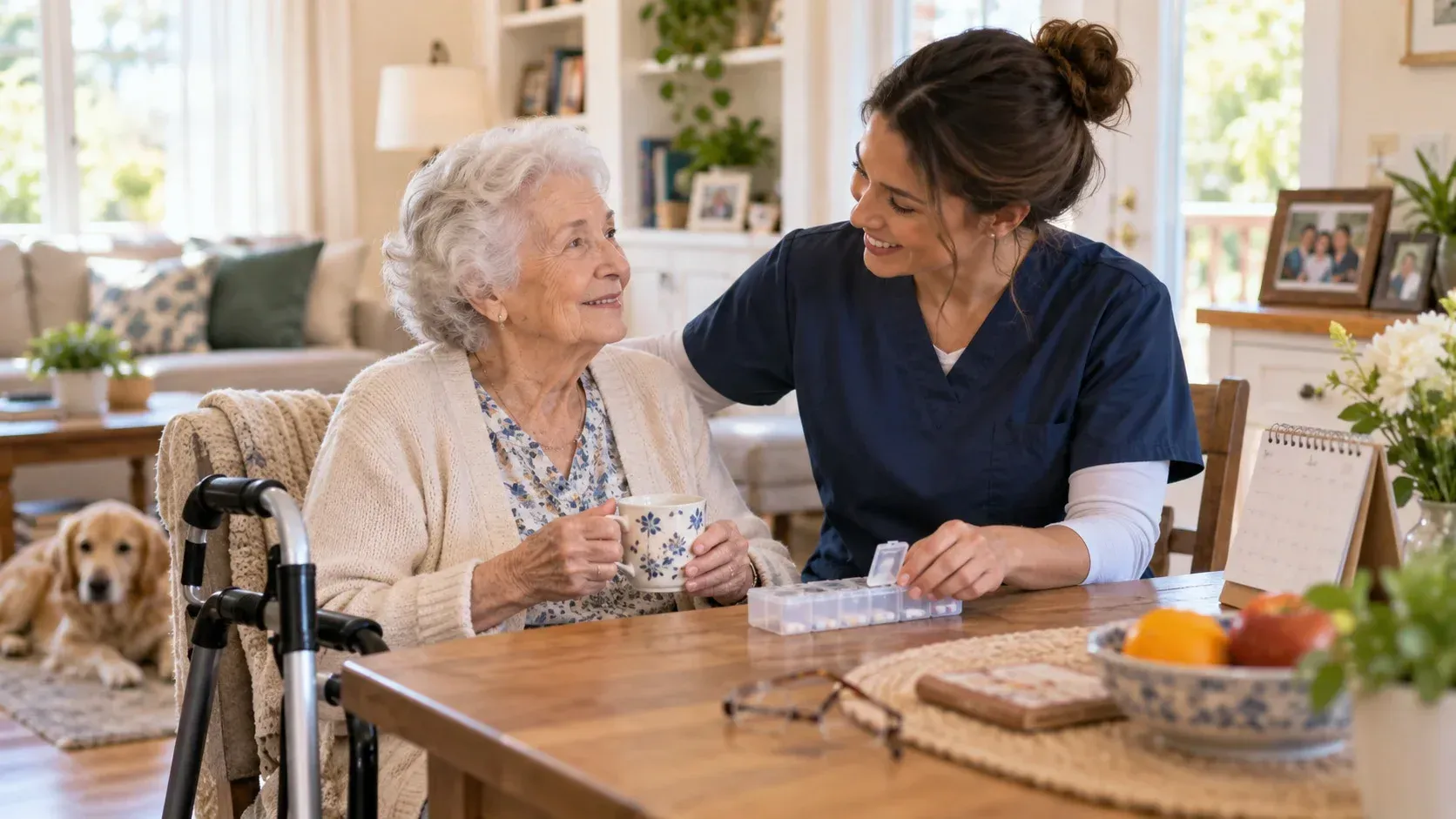
Cancer treatment typically involves a complex medication regimen, chemotherapy drugs, anti-nausea medications, pain management, and whatever a person was already taking before the diagnosis. Missing doses or taking medications incorrectly can have serious consequences. A caregiver who assists with medication management provides a consistent check on a process that is easy to get wrong when someone is fatigued and unwell.
Nutrition and hydration.
Appetite loss and nausea are among the most common side effects of cancer treatment, and dehydration and malnutrition are real risks for older adults going through chemotherapy. A caregiver who prepares meals, encourages eating, monitors fluid intake, and adapts to what someone can tolerate on a given day is doing clinically meaningful work, not just cooking.
Fall prevention. Fatigue, peripheral neuropathy from certain chemotherapy drugs, and the general physical deconditioning that accompanies serious illness all increase fall risk significantly. A caregiver who is present during the high-risk moments, getting up from bed, showering, navigating the home after a treatment day when energy is lowest, reduces the likelihood of a fall that could interrupt treatment entirely.
Observation and early escalation. One of the most important things a consistent caregiver provides is a baseline. They know what this person looks like on a normal day, which means they notice when something has changed, a new symptom, unusual confusion, a fever that might signal infection. For seniors in active cancer treatment, early escalation of concerning changes can be the difference between a manageable complication and a serious one.
------------------❤️------------------
How In-Home Care Supports Recovery After Treatment
The end of active cancer treatment is not the end of the need for support. Recovery, from surgery, from a full chemotherapy course, from radiation, takes time, and for older adults it often takes longer than expected.
Post-treatment fatigue can persist for months. Surgical recovery requires careful wound monitoring, restricted activity, and gradual rebuilding of strength. The immune system, suppressed during treatment, needs time to recover. And the emotional weight of having gone through a serious illness doesn't lift the moment treatment ends.
In-home care during the recovery period bridges the gap between the structured support of active treatment and the return to independent daily life, or helps families establish a new normal when full independence isn't the realistic goal.
For seniors discharged from a hospital or rehabilitation facility following cancer surgery, the transition home is a particularly vulnerable period. Having professional in-home care in place before discharge, not scrambled together after, is one of the most important things a family can do to support a safe recovery.
------------------❤️------------------
What to Look for in a Home Care Agency for Cancer Support
Not all home care is equally suited to supporting someone through cancer treatment and recovery. When evaluating home care agencies, families dealing with a cancer diagnosis should ask specifically about experience with oncology patients, caregiver training in managing treatment side effects, and the agency's process for communicating with the broader medical team.
Clinical oversight matters more in this context than in general senior care. An agency with a Director of Nursing who reviews care plans and can escalate concerns appropriately is providing something meaningfully different from a placement service.
Caregiver consistency matters too. Someone going through cancer treatment doesn't have the energy to orient a new face every week. A familiar caregiver who knows their routines, their preferences, and their baseline provides continuity that is both practically and emotionally valuable.
------------------❤️------------------
Cancer Care Is Whole-Person Care
October is Breast Cancer Awareness Month, a moment when many families are thinking about cancer's impact in ways they might otherwise push to the background. For the families of older adults navigating a cancer diagnosis, the question of how to provide adequate support at home is often the most pressing practical question they face.
The answer is rarely that one family member can do it all alone, and it doesn't have to be.
Philia provides in-home senior care for families in Washington DC, Bethesda, and Arlington who are supporting a loved one through cancer treatment and recovery. If you're trying to figure out what support looks like in practice, our team is happy to walk you through it.
While the information provided in this blog is intended to be informative and helpful, it's important to consult with a qualified professional for personalized advice. If you have any concerns or questions about your health or specific medical conditions, don't hesitate to reach out to your physician or another trusted healthcare provider. Your health is important, and seeking professional guidance ensures you receive the best care tailored to your individual needs.