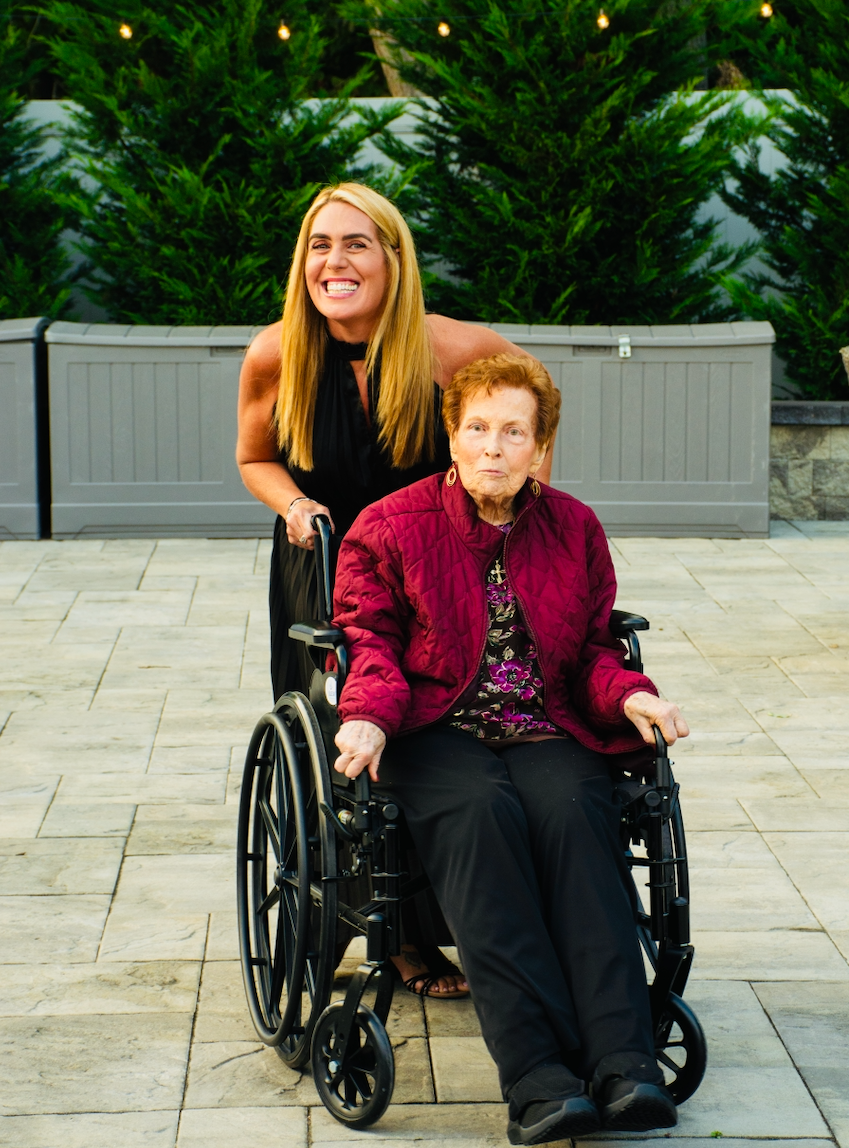

How to Transition a Parent Into Home Care — With Trust, Routine, and Less Stress
There's a moment most families recognize: the conversation has finally happened, the decision has been made, and a caregiver is coming. And then, surprisingly, that's when things get harder — not easier.
The parent who agreed to try in-home care suddenly resists when someone actually shows up. The routine that seemed straightforward becomes a source of daily friction. The family, expecting relief, finds themselves managing a new layer of stress instead.
The older adults who maintain the strongest sense of independence as they age aren't always the ones who need the least help. They're often the ones who have the right help — reliable, familiar, and built around their preferences rather than imposed over them. The relationship between dependence and independence in aging is more nuanced than it first appears, and understanding it changes what good home care is actually trying to do.
This is normal. And it's navigable — if families understand what's actually happening beneath the surface.
------------------❤️------------------
What the Resistance Is Really About
When an older adult pushes back against in-home care, the instinct is to read it as stubbornness or denial. Sometimes that's part of it. But more often, what's underneath is something more understandable: a loss of control.
Accepting help from a stranger — someone who enters your home, touches your belongings, witnesses your limitations — is not a small thing. For someone who has spent decades as a capable, independent adult, it can feel like the beginning of an ending. The resistance isn't irrational. It's a reasonable response to something that feels threatening.
Understanding this reframes the goal. The question isn't
how do we get them to accept the caregiver — it's how do we make this feel less like something being done to them, and more like something they're part of.
------------------❤️------------------
Before the First Visit: Lay the Groundwork
The transition begins before the caregiver walks through the door. How the family sets it up — the conversations, the framing, the level of involvement the parent has — shapes everything that follows.
Include your parent in the process. Whenever possible, let them meet the caregiver before care begins. Let them ask questions. If the agency offers a choice between caregivers, involve the parent in that decision. Even small choices — when the caregiver arrives, what they'll help with first — create a sense of agency that makes a real difference.
Be honest about the reason. Framing the care as "just a little help around the house" when the underlying concern is safety or health can backfire. Older adults are perceptive. If they sense the explanation doesn't match reality, it erodes trust — with the family and with the caregiver. A straightforward, respectful conversation about what you've noticed and why you think this would help tends to land better than a softened version.
Avoid the ambush. Introducing a caregiver without adequate preparation — or worse, without telling the parent in advance — almost always produces resistance that could have been avoided. Even a few days of preparation, with clear information about who is coming and why, makes the first visit significantly smoother.
------------------❤️------------------
The First Few Weeks: What to Expect
The adjustment period is real and it takes time. Families who expect an immediate transformation often interpret a rocky first week as evidence that the arrangement isn't working, when in fact they're right on schedule.
Start smaller than you think you need to. Beginning with a few hours a week — a specific, limited task like meal preparation or a morning routine — is less overwhelming than full days of care from the start. It gives the parent time to adjust to this person's presence without feeling overtaken by it. Trust is built incrementally.
Expect some regression. It's common for a parent who seemed to be adjusting well to suddenly resist the caregiver again after a week or two. This often reflects a deeper emotional reckoning — the reality of the new arrangement settling in — rather than a problem with the caregiver. Acknowledge it without amplifying it.
Be careful with hovering. Family members who stay nearby during early visits with the intention of helping often inadvertently undermine the relationship forming between the parent and caregiver. The parent takes cues from the family — if the family seems uncertain or watchful, the parent will be too. When possible, let the caregiver and parent find their rhythm together.
Give it more time than feels comfortable. The general guidance in the home care field is four to six weeks before the adjustment period stabilizes. Families who pull back after two difficult weeks often restart the process — and the second transition is no easier than the first.
------------------❤️------------------
Routine as the Foundation of Trust
Of everything that supports a smooth transition, consistent routine is probably the most powerful and least talked about.
Older adults — and especially those with any cognitive changes — rely on predictability for a sense of safety. When the same caregiver arrives at the same time, follows the same sequence of tasks, and engages in the same kind of conversation, it stops feeling like an intrusion and starts feeling like part of the day.
This is why caregiver consistency matters so much. Every time a different face walks through the door, the adjustment process starts over. Not entirely — but enough. A parent who has finally relaxed around one caregiver hasn't automatically extended that comfort to a new person. Agencies that prioritize assigning consistent caregivers and minimize turnover aren't just making a quality-of-life decision. They're making a clinical one.
At Philia, building consistent caregiver relationships is central to how care plans are designed. The goal isn't just task completion — it's the kind of reliable presence that allows an older adult to genuinely settle.
------------------❤️------------------
The Family's Emotional Adjustment
The transition isn't only the parent's to navigate. Families go through their own version of it — and it deserves acknowledgment.
Handing over the daily care of a parent, even partially, can surface feelings that are hard to name: guilt about not doing it yourself, grief about what the need for care represents, anxiety about whether this person is really trustworthy with someone you love. These feelings are legitimate. They don't mean the decision was wrong.
A few things help:
Stay in communication with the caregiver. Ask how visits are going. Share context about your parent's history, preferences, and what matters to them. A caregiver who understands the whole person — not just the care tasks — does better work, and that communication loop is how it happens.
Let the relationship develop. It can be uncomfortable to watch a parent warm to a caregiver in ways that feel unfamiliar or even exclusionary. That attachment is a good sign. It means the care is working.
Revisit the care plan as things change. The arrangement that works at the beginning may need adjustment as your parent's needs evolve or as the relationship deepens. A good agency will check in regularly and treat the care plan as a living document, not a fixed contract.
------------------❤️------------------
When the Transition Feels Stuck
Sometimes, despite thoughtful preparation, the resistance persists. The parent refuses to engage with the caregiver, becomes agitated before visits, or insists they don't need help even as the evidence suggests otherwise.
In these cases, it's worth examining a few things: Is the caregiver the right match — in personality, communication style, or approach? Is the care starting at the right level, or does it feel overwhelming? Is there an underlying condition — early cognitive decline, depression, unaddressed anxiety — that's shaping the response?
These aren't reasons to abandon the plan. They're reasons to adjust it. A good care team will troubleshoot alongside the family rather than simply replacing the caregiver or declaring the situation unworkable.
------------------❤️------------------
Starting the Conversation
If you're in the early stages of exploring in-home care — before a caregiver has been selected, before the first visit — that's the ideal time to reach out. The transition goes better when the agency is involved in the planning, not just the delivery.
Philia works with families across Washington DC, Bethesda, and Arlington to make this process as smooth as possible — starting with a care assessment that takes the full picture into account, not just the tasks that need to be done.

While the information provided in this blog is intended to be informative and helpful, it's important to consult with a qualified professional for personalized advice. If you have any concerns or questions about your health or specific medical conditions, don't hesitate to reach out to your physician or another trusted healthcare provider. Your health is important, and seeking professional guidance ensures you receive the best care tailored to your individual needs.