
How Home Care Supports Independence Through Consistent Relationships
There's a common assumption built into how most people think about home care: that needing help means losing independence. That accepting a caregiver into your home is, by definition, a concession — something given up.
It's an understandable assumption. It's also, in practice, frequently wrong.
The older adults who maintain the strongest sense of independence as they age aren't always the ones who need the least help. They're often the ones who have the right help — reliable, familiar, and built around their preferences rather than imposed over them. The relationship between dependence and independence in aging is more nuanced than it first appears, and understanding it changes what good home care is actually trying to do.
------------------❤️------------------
What Independence Actually Means for Older Adults
Ask an older adult what independence means to them and the answers are rarely abstract. They're specific: being able to sleep in their own bed. Eating what they want, when they want. Choosing how to spend an afternoon. Maintaining relationships with the people who matter to them. Having a say in decisions about their own life.
Independence, in this sense, isn't the absence of support. It's the presence of choice.
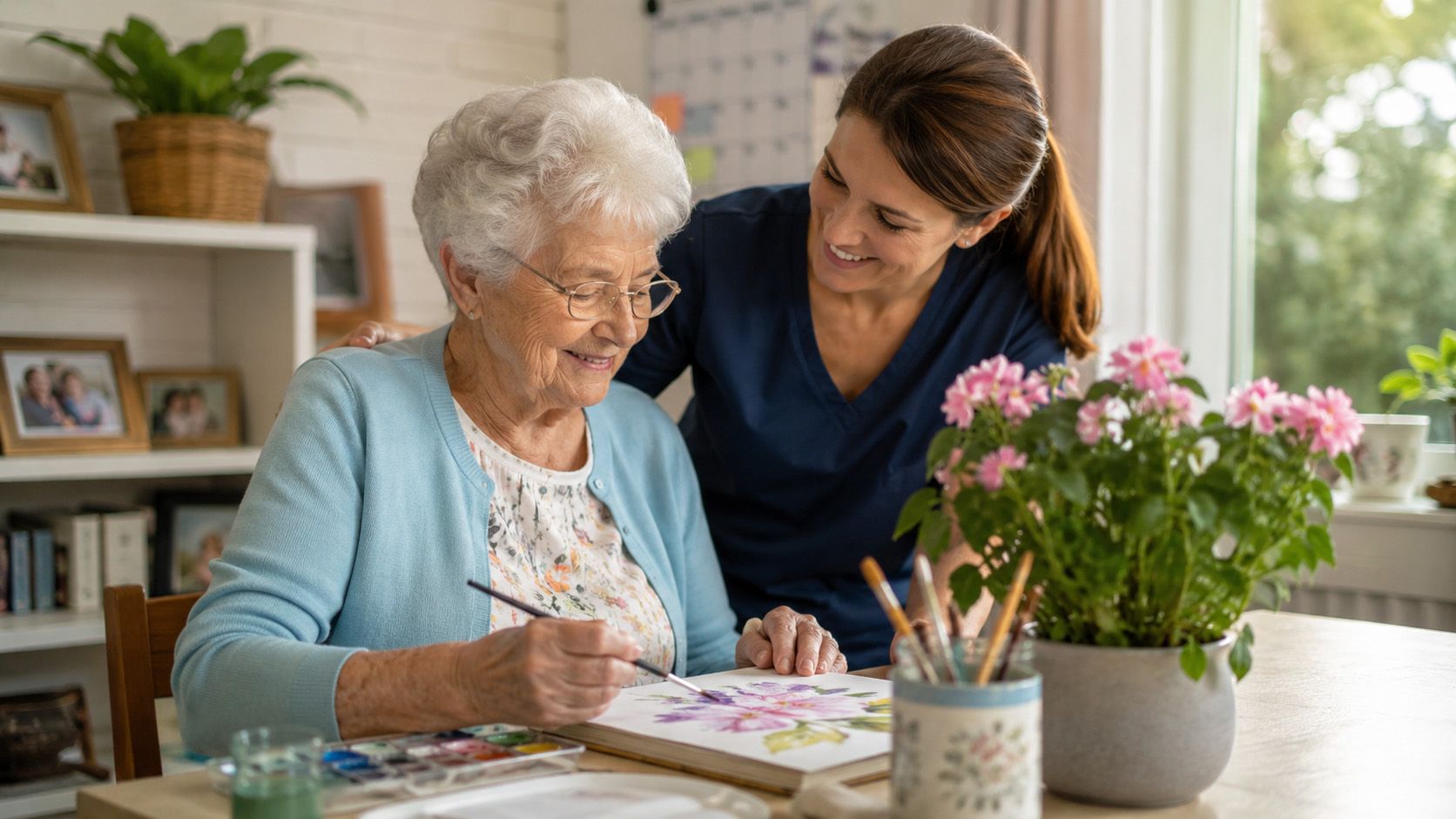
And this reframe matters enormously for how we think about care. A caregiver who shows up and takes over — who makes decisions without asking, who imposes a routine that fits their schedule rather than the client's — undermines independence regardless of how competent they are. A caregiver who supports, assists, and defers to the person they're caring for enhances independence, even when the physical tasks being performed are identical.
The difference isn't in what gets done. It's in how, and by whom, and with what level of respect for the person at the center of it.
------------------❤️------------------
Why Consistency Is the Mechanism
Communication in home care doesn't need to be elaborate. It needs to be consistent, specific, and two-directional.
Families sometimes underestimate how much caregiver consistency matters to the experience of independence. It seems like a logistical preference — of course it's nicer to see the same person — without recognizing that it's actually functional.
Here's what consistent care relationships make possible that rotating caregivers cannot:
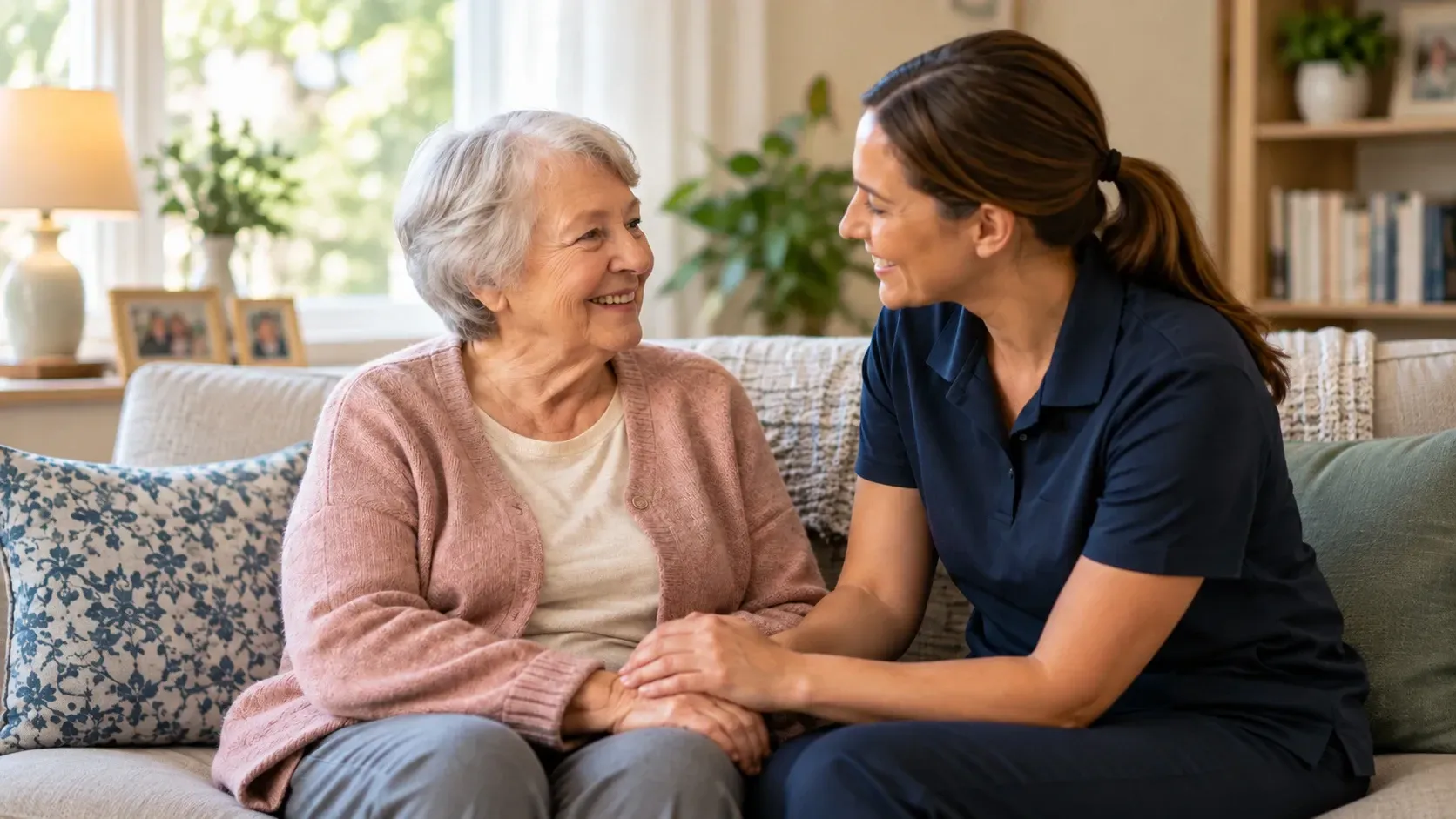
Established preferences, respected automatically. A caregiver who has worked with someone for months knows they take their coffee a specific way, that they like the curtains open in the morning but closed by afternoon, that they find certain topics energizing and others draining. These preferences don't have to be re-explained or negotiated on every visit. They're simply known — and honoring them is what it feels like to be treated as a full person rather than a care recipient.
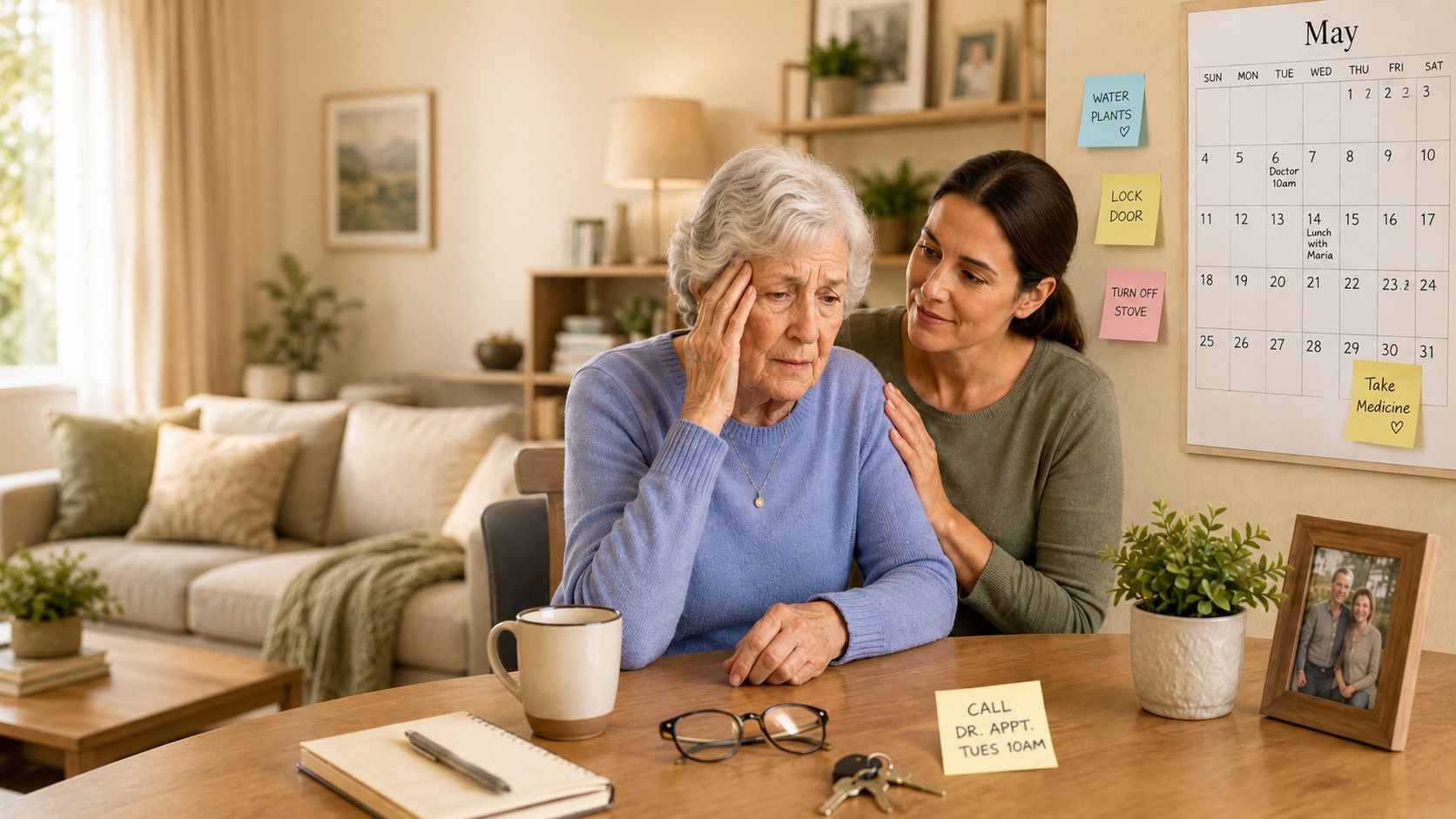
Less cognitive load for the older adult. Every new caregiver requires adjustment — learning their style, building enough comfort to communicate needs clearly, recalibrating to a new presence in the home. For older adults, and especially for those with any cognitive changes, that adjustment is genuinely effortful. A consistent caregiver removes that friction entirely. The energy that would otherwise go to adaptation goes instead to living.
Honest communication about what's actually needed. One of the less-discussed ways that independence erodes isn't through loss of physical ability — it's through reluctance to ask for help. An older adult who feels uncomfortable with a caregiver will quietly stop asking for assistance with things they need, managing alone in ways that may be unsafe rather than making a request that feels awkward. With a trusted, familiar caregiver, that barrier disappears. Needs get expressed, assistance gets given, and the person remains safer and more functional as a result.
The ability to push back. Perhaps most importantly: a person who trusts their caregiver feels entitled to disagree with them. To say "not today" or "I'd rather do it this way" or "I don't need help with that." That kind of self-advocacy is the living expression of independence — and it flourishes in relationships built on mutual respect and familiarity. It withers when someone feels like a stranger is present in their home.
------------------❤️------------------
Familiarity as a Clinical Asset
The value of consistent care relationships isn't just emotional — it's clinical.
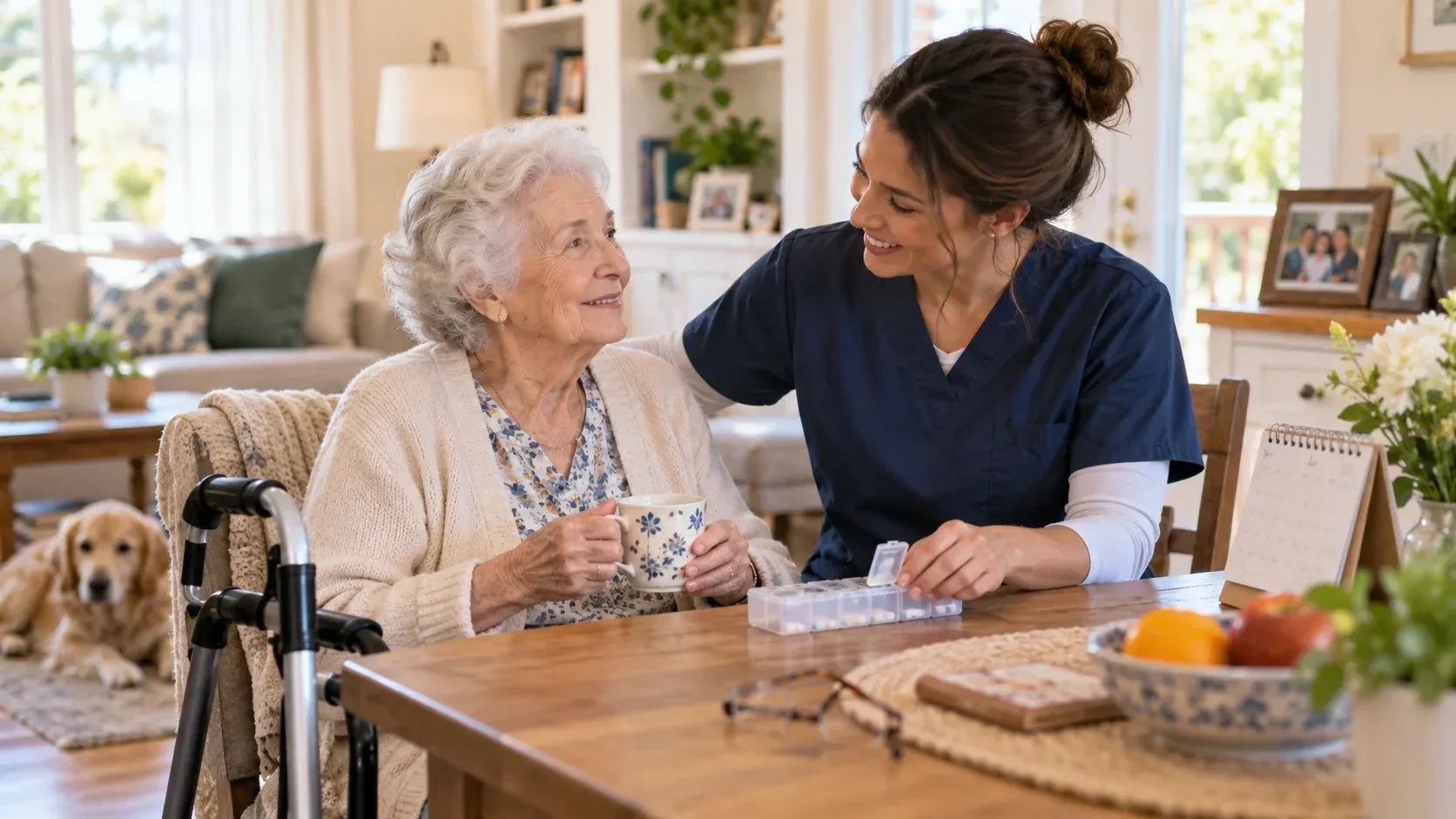
A caregiver who knows someone well is a caregiver who notices change. They catch the subtle shift in energy that precedes an illness, the slight unsteadiness that signals a medication adjustment may be needed, the mood change that hints at something worth investigating. These observations — possible only when someone has a genuine baseline for a person — are the kind of early warning that prevents small problems from becoming serious ones.
This is the version of home care that actually supports aging in place over the long term. Not a rotating roster of competent strangers completing tasks correctly, but a consistent, trusted presence that knows the person and is paying genuine attention.
------------------❤️------------------
Respecting the Older Adult's Voice
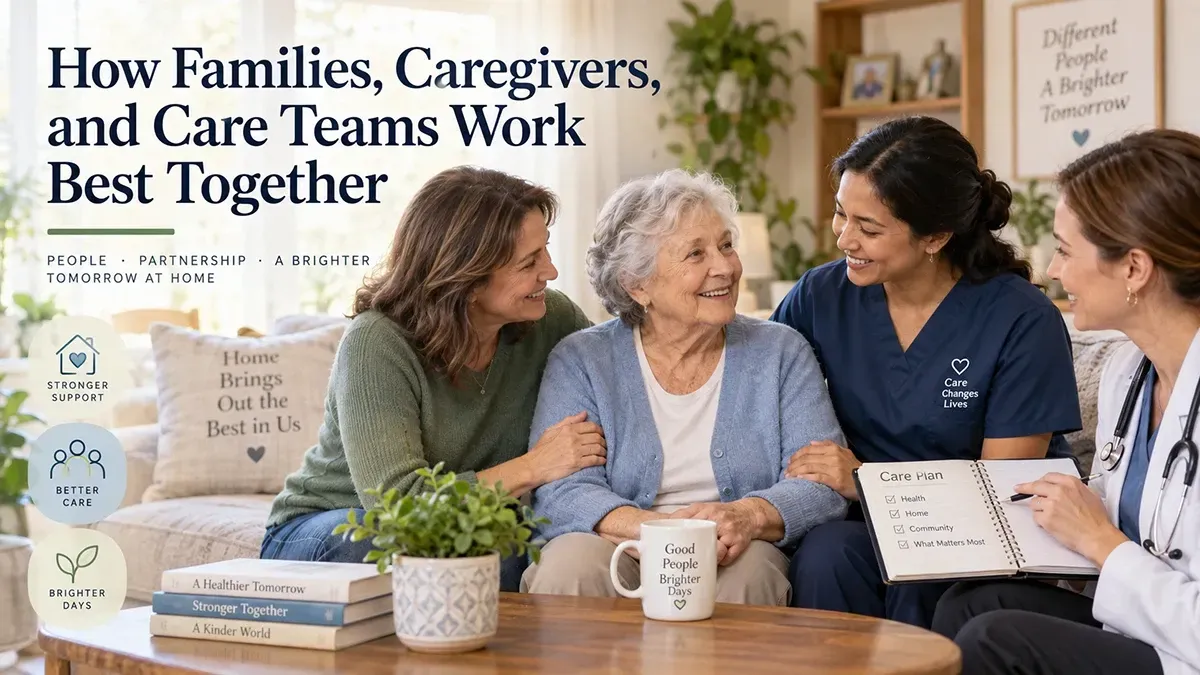
In any discussion of how families and care teams work together, there's a risk of talking around the person at the center of it all. The older adult receiving care is not just a subject of coordination — they're a participant in it, with preferences, boundaries, and a perspective that deserves to shape the arrangement.
Good care teams actively solicit the client's feedback. Does the current schedule work for them? Is there anything they'd like more or less of? Is there something they've been reluctant to mention? The answers sometimes differ from what the family expects, and that's valuable — it means the care is being calibrated to the person, not to someone else's idea of what that person needs.
When families, caregivers, and care teams are all listening to the same person, alignment tends to follow naturally. When each party is responding to their own version of what the client needs, the arrangement drifts.
------------------❤️------------------
How Philia Builds for Consistency
Caregiver consistency doesn't happen automatically — it requires deliberate choices at the agency level about how caregivers are recruited, supported, and retained.
Agencies with high caregiver turnover — a persistent problem in the home care industry — cannot deliver consistent relationships no matter how good their intentions. When caregivers are underpaid, unsupported, and treated as interchangeable, they leave. And every departure restarts the relationship-building process for the client.
Philia approaches this deliberately. Caregivers are recruited for qualities that support lasting relationships — compassion, attentiveness, genuine interest in the people they care for — not just technical competence. They're compensated competitively, supported professionally, and matched to clients with care. The goal is a caregiver who stays, who grows in their knowledge of the person they're serving, and whose presence becomes a genuine source of stability in that person's life.
When a client and caregiver have worked together for a year, something has been built that has real value. Protecting that is part of what it means to take care seriously.
------------------❤️------------------
What Families Can Watch For
For families evaluating whether a home care arrangement is actually supporting independence — or quietly eroding it — a few questions are worth asking regularly:
Does your parent seem more or less willing to express preferences and make requests as time goes on? Are they more engaged with daily life, or more passive? Do they speak about the caregiver as someone they know, or as someone who comes to the house? Have they mentioned things they can do now that felt difficult or unsafe before care began?
The direction of those answers matters. Home care that's working should produce increasing comfort, increasing self-expression, and a widening of what feels possible — not a gradual narrowing.
------------------❤️------------------
The Relationship Is the Care
There's a version of home care that is purely transactional: tasks performed, hours logged, needs technically met. Families often settle for this because they don't know to expect more, or because they're focused on the practical requirements and haven't considered the relational ones.
But for older adults, the relationship a caregiver brings is not separate from the care they provide. It is the care. The trust that makes it possible to ask for help. The familiarity that makes the home feel like the home. The consistency that makes tomorrow feel predictable and safe.
That's what independence looks like when it's well supported — not the absence of a caregiver, but the presence of the right one.
If you'd like to understand how Philia approaches caregiver matching and long-term care relationships in the Washington DC, Bethesda, and Arlington areas, we'd welcome the conversation.

While the information provided in this blog is intended to be informative and helpful, it's important to consult with a qualified professional for personalized advice. If you have any concerns or questions about your health or specific medical conditions, don't hesitate to reach out to your physician or another trusted healthcare provider. Your health is important, and seeking professional guidance ensures you receive the best care tailored to your individual needs.