
How Do Home Care Agencies Help Seniors?

October 20, 2021

Many seniors want to keep living at home during their retirement years. Often, you or your loved one may not wish to move into an assisted living facility. Is aging at home possible if you or your loved one needs support with daily living or has health issues? The short answer is yes, it is possible. Home care agencies can help you or your loved one age in place safely and for as long as possible. 


What are home care agencies?


Home care and home health agencies stand ready to serve the senior community in the privacy and comfort of their homes. These agencies offer a range of services, from non-skilled at-home care to skilled medical help.


Agencies offering Home Care help people with their Activities of Daily Living (ADLs) and Independent Activities of Daily Living (IADLs). These include assistance with:


  • Personal hygiene such as bathing and grooming.
  • Dressing
  • Toileting
  • Transferring or ambulating
  • Food prep and eating
  • Transportation and errands
  • Companionship
  • Exercise


Why should you work with one?


If you or your loved one would like to remain at home instead of moving to an assisted living facility, you may consider working with a home care agency. Home care provided by a home care agency can help you or your loved one live safely and comfortably at home. 


Your physician can provide guidance and help you develop a plan so you know what services you or your loved one may need. Once you have that in place, you can begin looking at home care options to see which one is the right fit. Philia Care is focused on compassionate and comprehensive home care.
Call us today to find out more about our services!


About The Author

Kristina O'Brien

As a seasoned educator with a background in special education Kristina brings a wealth of experience in understanding the unique needs and challenges of individuals requiring specialized care. Transitioning from the classroom to the realm of home care, she has embarked on a journey to broaden her knowledge and expertise in providing support and assistance to those in need. In her role, she is deeply committed to identifying the distinct needs of our clients by engaging with them in thoughtful and meaningful ways.

Kristina holds a Bachelors of Arts in Elementary Education and Special Education with a minor in Speech Pathology and Communication and Master's in Education, Literacy, and Communications

While the information provided in this blog is intended to be informative and helpful, it's important to consult with a qualified professional for personalized advice. If you have any concerns or questions about your health or specific medical conditions, don't hesitate to reach out to your physician or another trusted healthcare provider. Your health is important, and seeking professional guidance ensures you receive the best care tailored to your individual needs.
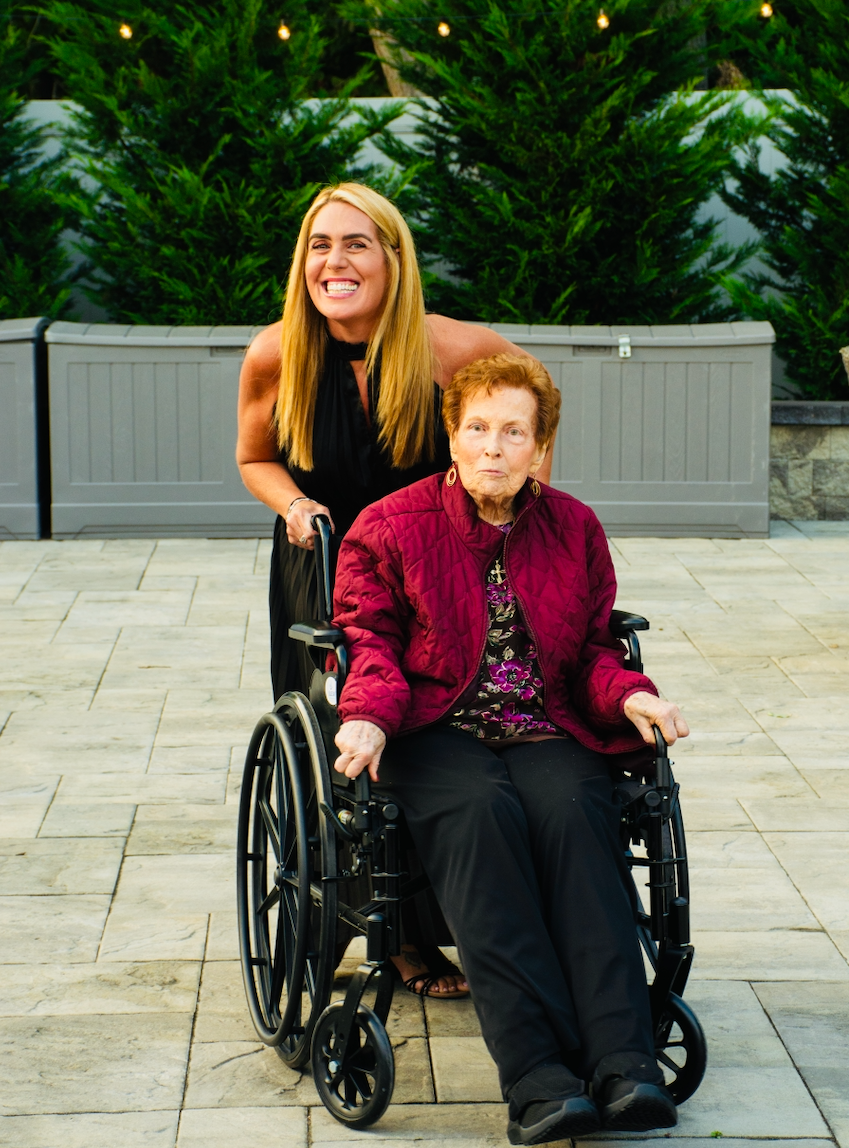

How to Transition a Parent Into Home Care
By Kristina O'Brien • September 30, 2026
Learn how to transition a parent into home care with less stress by building trust, creating a consistent routine, and easing caregiver resistance.
How Home Care Supports Senior Independence
By Kristina O'Brien • September 24, 2026
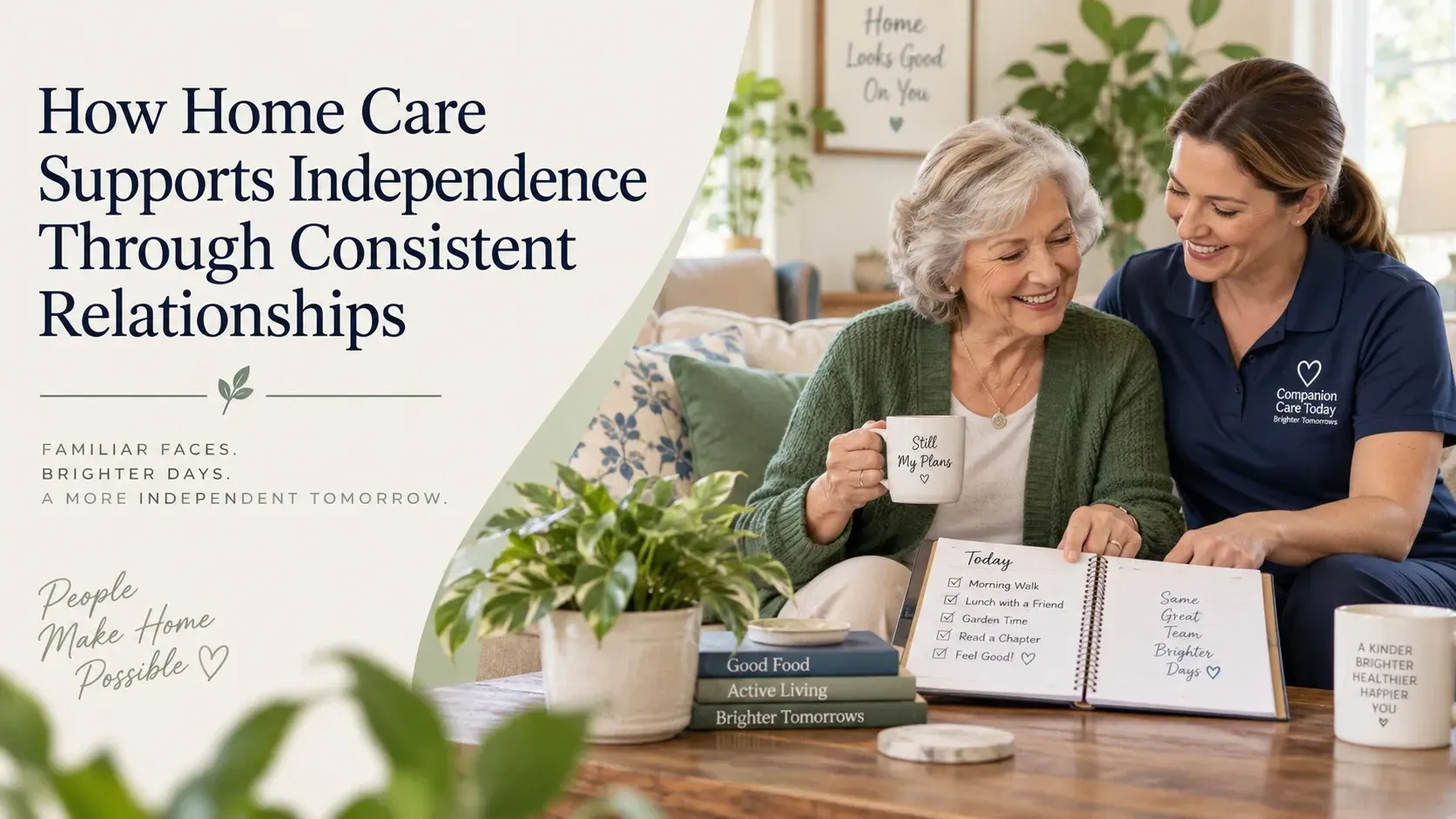
Learn how consistent caregiver relationships help older adults maintain independence, build trust, stay safe, and age in place with confidence.
By Kristina O'Brien • September 23, 2026
As Long as I Can Still Make Her Dance
By Kristina O'Brien • September 18, 2026
Learn how families, caregivers, and professional care teams work together through clear communication, shared care plans, and ongoing support.
7 Common Misconceptions About Senior Home Care
By Kristina O'Brien • September 8, 2026
Learn the truth behind 7 common misconceptions about senior home care, from caregiver quality and family support to timing, oversight, and care plans.
Why Engagement and Purpose Are Essential Parts of a Senior Care Plan
By Kristina O'Brien • August 31, 2026
Learn why engagement and purpose belong in every senior care plan, and how meaningful activities, connection, and caregiver support can improve well-being.
Early Signs of Dementia. What Families and Caregivers Often Notice First
By Kristina O'Brien • August 25, 2026
What makes early dementia so difficult to recognize. The signs are real, but they're subtle enough that the people closest to the situation often second-guess themselves.
How to Make a Home Safer for Aging in Place
By Kristina O'Brien • August 5, 2026
Sometimes a home can be made safer but not safe enough, particularly when a person's care needs change faster than the environment can adapt.
Private Duty vs. Agency Care: What Families Often Overlook
By Kristina O'Brien • July 29, 2026
Deciding between private duty and agency in-home care? Discover critical factors families often overlook, including backup coverage and proper caregiver training.
By Kristina O'Brien • May 21, 2026
Many families are familiar with Activities of Daily Living (ADLs) like bathing, dressing, or eating. While ADLs are important, they don’t always tell the full story.