
How In-Home Care Can Improve Quality of Life Not Just Safety
When families begin thinking about in-home senior care, safety is often the first concern. Preventing falls, managing medications, and ensuring basic needs are met all matter but quality of life goes far beyond safety alone.
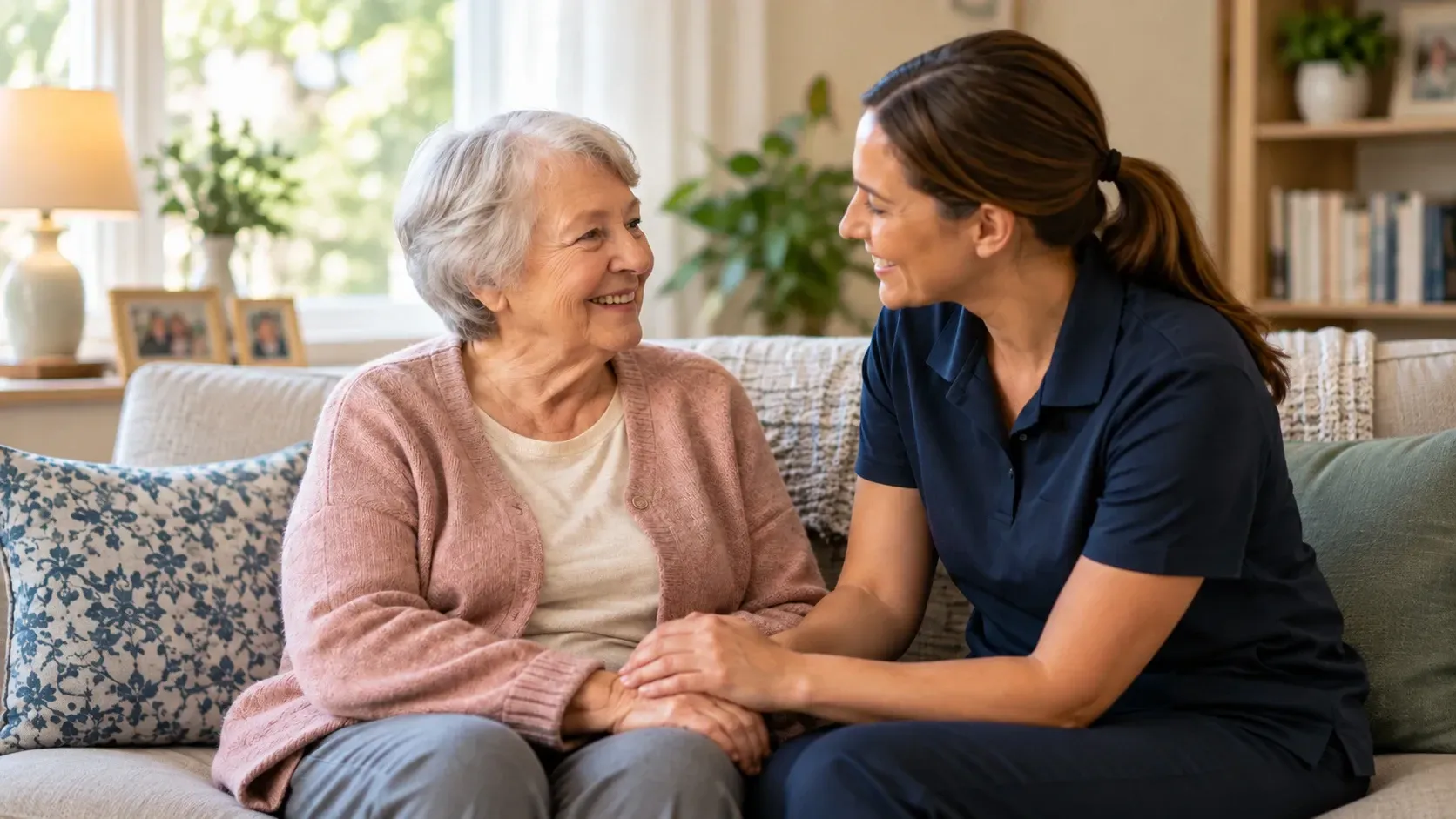
For many seniors, the biggest challenges aren’t always physical. They’re emotional, social, and tied to daily structure. In-home care, when approached thoughtfully, can support the whole person, helping seniors feel engaged, connected, and respected in their own homes.
Quality of Life Is More Than Avoiding Risk
Safety-focused care tends to be reactive: stepping in once something has already gone wrong. Whole-person care is different. It’s proactive, intentional, and centered on how someone lives day to day.
Quality of life includes:
- Feeling connected to others
- Having a sense of purpose
- Maintaining familiar routines
- Preserving independence and dignity
In-home senior care can support all of these areas when it’s designed around the individual not just a checklist.
Engagement: Staying Mentally and Emotionally Active
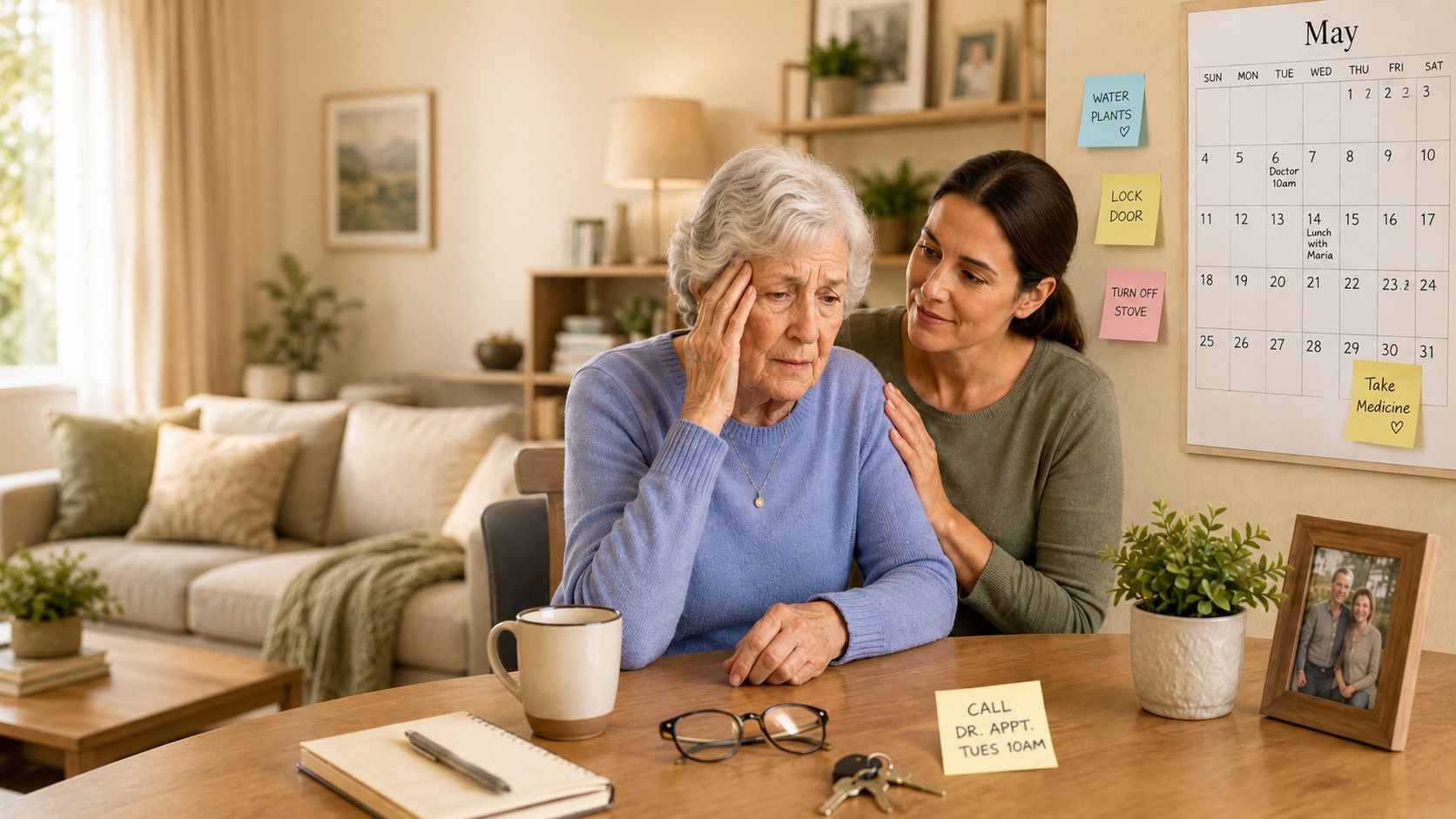
Loneliness and isolation are common as people age, especially when mobility or health changes limit social interaction. Over time, isolation can affect mood, memory, and overall well-being.
In-home care can provide:
- Regular conversation and companionship
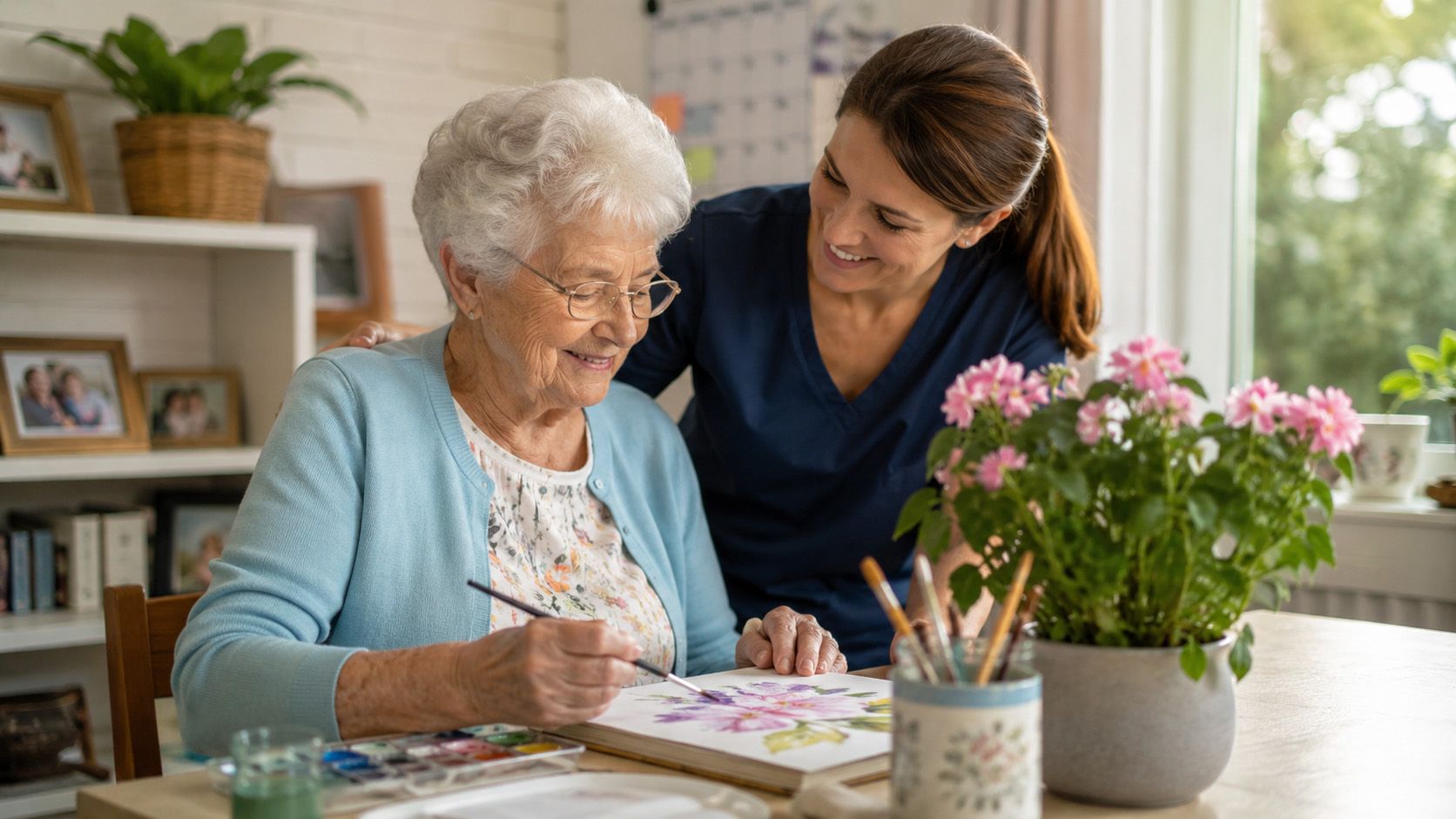
- Shared activities like reading, puzzles, or hobbies
- Encouragement to stay mentally engaged
Even small moments of daily connection can make a meaningful difference in how a senior feels and functions.
Routines Bring Stability and Confidence
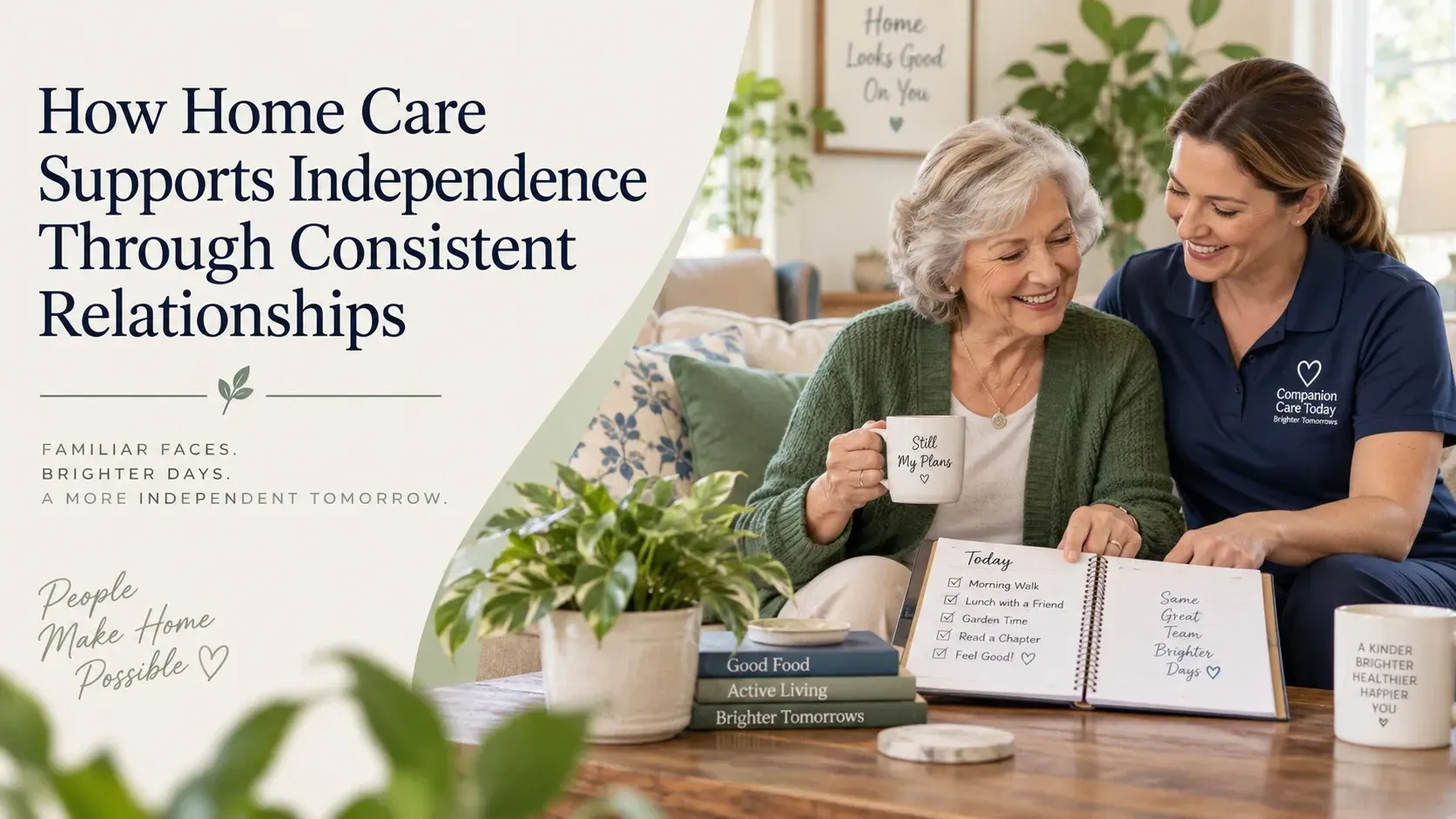
As life becomes more complex, routines offer structure and reassurance. Many seniors feel more confident when their days follow a familiar rhythm.
In-home care can help support routines such as:
- Morning and evening schedules
- Regular meals and hydration
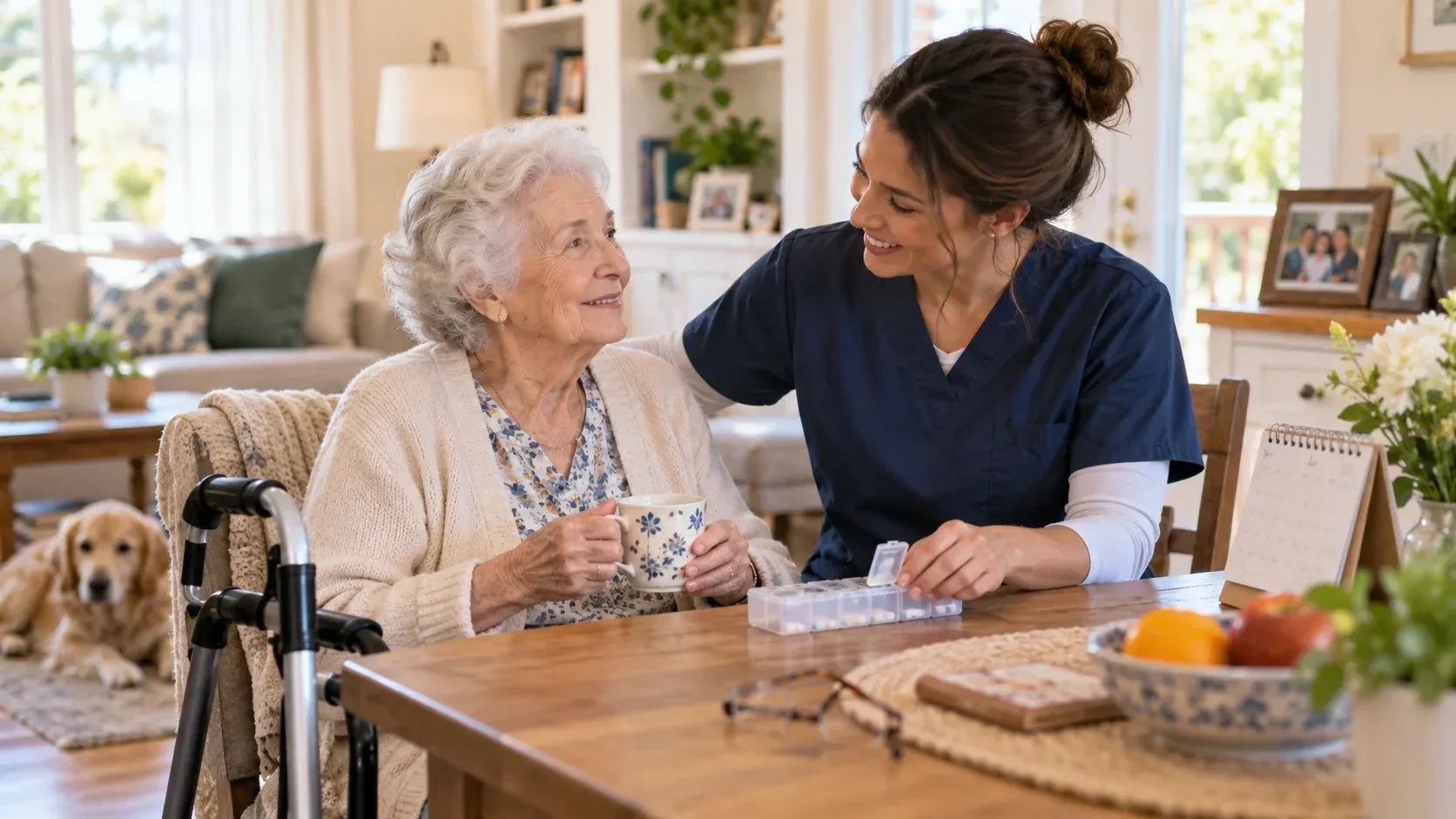
- Medication reminders
- Gentle movement or daily walks
Maintaining these rhythms often reduces anxiety and helps seniors feel more in control of their lives.
Connection Without Losing Independence
One of the biggest fears seniors express is losing their independence. In-home care doesn’t mean taking over, it means providing support where it’s needed while honoring personal choice.
Thoughtful care respects:
- Individual preferences
- Personal habits and traditions
- Autonomy in daily decisions
By offering assistance with someone rather than for them, in-home care can strengthen confidence instead of diminishing it.
Dignity Comes From Being Seen as a Whole Person
Families feel the effects of caregiver turnover as well. Frequent changes can mean:
- Re-explaining care plans
- Monitoring transitions closely
- Increased worry about continuity.
In this environment, consistency matters even more. Knowing who will be arriving at the door, and trusting that person, can reduce stress for both seniors and families.
For families balancing work, caregiving, and city life, reliable in-home senior care can offer reassurance and stability.
Dignity Through Familiarity
True dignity isn’t just about physical privacy or respectful language, it’s about being known and understood.
Whole-person care considers:
- Personal history and life experiences
- Emotional needs and comfort levels
- Cultural values and family dynamics
When care is rooted in understanding who someone is, not just what they need help with, seniors are more likely to feel respected and valued.
The Emotional Impact on Families
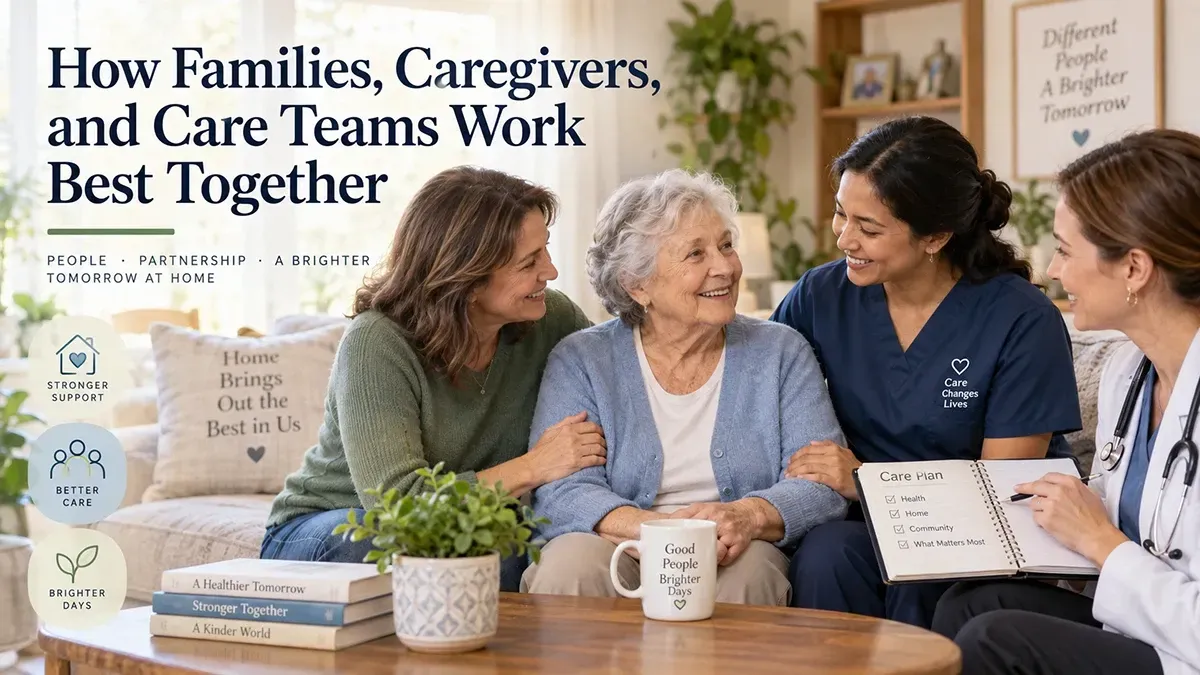
Quality of life doesn’t improve only for seniors. Families often feel relief knowing their loved one is supported in a way that goes beyond safety.
Benefits for families include:
- Reduced worry and stress
- More positive time together
- Confidence that care is consistent and compassionate
In-home care can restore balance for the entire family, not just address immediate concerns.
When Care Is About Living, Not Just Managing
The goal of in-home senior care isn’t simply to manage risks — it’s to help people continue living meaningful, connected lives in the place they feel most comfortable.
When care focuses on engagement, routine, connection, and dignity, it supports not just safety, but well-being.
For families exploring senior care services, understanding this broader impact can help guide thoughtful, proactive decisions that support both today and the years ahead.

While the information provided in this blog is intended to be informative and helpful, it's important to consult with a qualified professional for personalized advice. If you have any concerns or questions about your health or specific medical conditions, don't hesitate to reach out to your physician or another trusted healthcare provider. Your health is important, and seeking professional guidance ensures you receive the best care tailored to your individual needs.