
Why Caregiver Retention Is One of the Most Important Factors in Senior Care
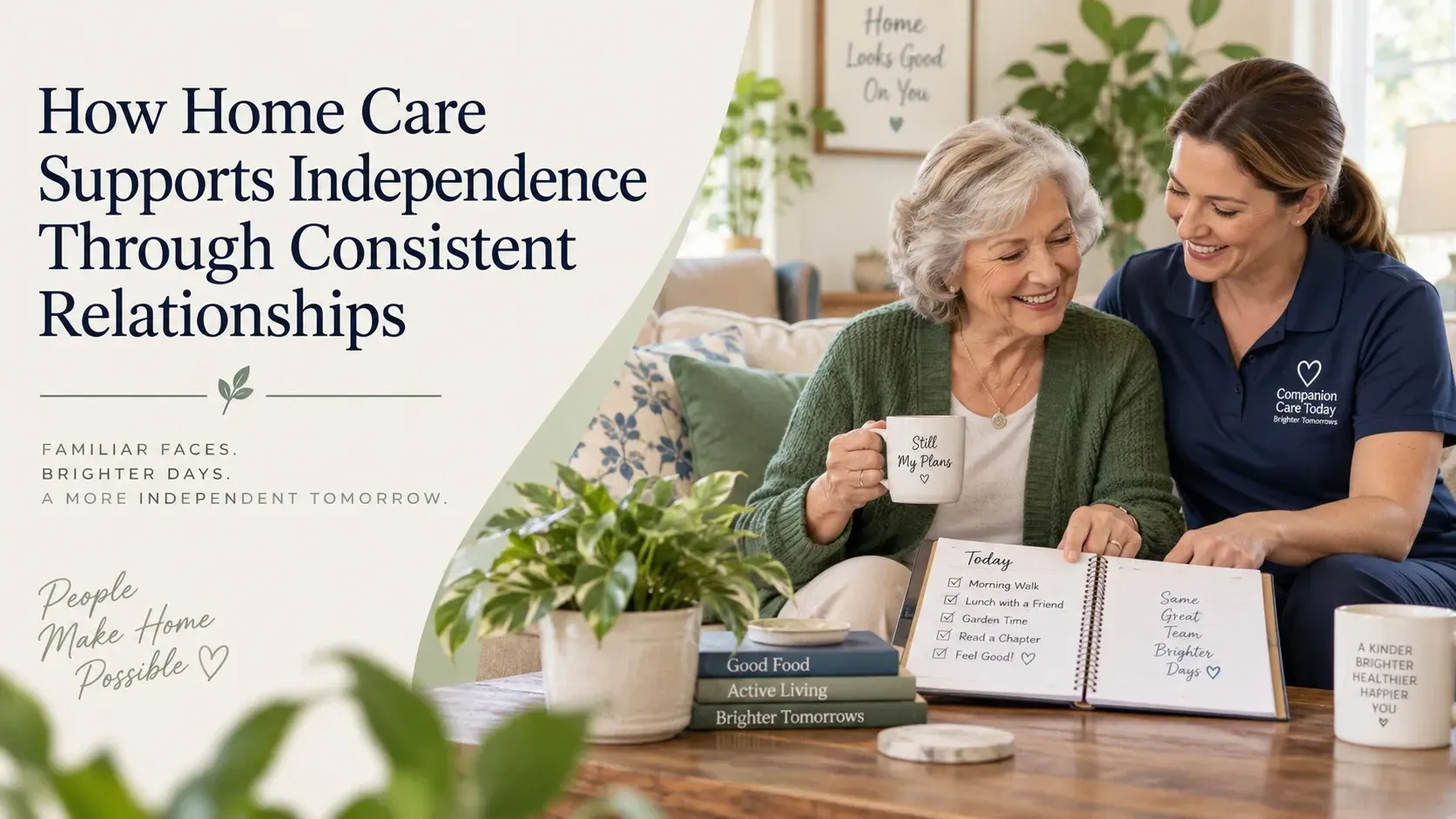
When families begin researching senior care, they often focus on services, schedules, and safety measures. These details matter, but one of the most important factors in quality care is often hidden in plain sight: caregiver retention.
How long caregivers stay with an agency can have a profound impact on the experience of both seniors and families. While it’s not always discussed openly, retention plays a direct role in consistency, trust, and long-term well-being.
What Caregiver Retention Really Means
Caregiver retention refers to how long caregivers remain in their roles over time. High retention means caregivers stay with the same agency, and often the same clients, for extended periods.
Low retention, on the other hand, can lead to:
- Frequent caregiver changes
- Disrupted routines
- Ongoing adjustment for seniors and families
In senior care, where relationships and familiarity matter deeply, these disruptions can affect far more than schedules.
Why Stability Matters More Than Families Realize
In-home senior care isn’t transactional. It’s personal. Care happens in someone’s home, often during vulnerable moments, and over long stretches of time.
When caregivers stay consistently:
- Seniors build trust more naturally
- Communication becomes smoother.
- Care feels predictable and reassuring
Stability reduces stress, not just for seniors, but for everyone involved.
Retention Supports Better, More Attentive Care
In a season often dominated by commercialism, it’s easy to feel overwhelmed by the pressure to buy expensive gifts. However, the true luxury of giving lies not in the price tag but in the thought, effort, and love put into the gift.
- Personal preferences and routines
- Subtle changes in mood, behavior, or health
- What brings comfort and confidence
This kind of insight can’t be replicated quickly. It develops through consistency and experience, and it often leads to more thoughtful, responsive care.
The Emotional Impact on Seniors
For many seniors, repeated caregiver turnover can feel unsettling. Each new face requires:
- Rebuilding trust
- Explaining preferences again.
- Adjusting to new personalities and styles
High caregiver retention minimizes these disruptions, allowing seniors to feel secure and supported in their own homes.
Why Retention Is Also a Family Issue
Families feel the effects of caregiver turnover as well. Frequent changes can mean:
- Re-explaining care plans
- Monitoring transitions closely
- Increased worry about continuity.
When caregivers stay longer, families often experience greater peace of mind, knowing that someone familiar and reliable is consistently present.
Retention Reflects the Quality of the Care Environment
Caregiver retention isn’t just about individual caregivers, it often reflects the overall health of a care organization.
Agencies with higher retention tend to
- Invest in caregiver support and training
- Prioritize respectful schedules and communication
- Foster long-term relationships, not short-term staffing
While families may not always see this behind the scenes, retention can be a strong indicator of how care is approached.
A Quiet but Powerful Trust Signal
Retention doesn’t show up in flashy marketing messages, but it quietly shapes the care experience every day.
For families comparing senior care options, asking about caregiver consistency and retention can reveal important insights into how care is delivered and how much stability a loved one can expect.
Choosing Care With the Long Term in Mind
Senior care is rarely a short-term decision. Whether care is needed for months or years, continuity matters.
When caregivers stay, relationships grow stronger, routines become smoother, and care feels more human. Retention supports not just safety, but dignity, comfort, and trust; the foundations of meaningful in-home senior care.

While the information provided in this blog is intended to be informative and helpful, it's important to consult with a qualified professional for personalized advice. If you have any concerns or questions about your health or specific medical conditions, don't hesitate to reach out to your physician or another trusted healthcare provider. Your health is important, and seeking professional guidance ensures you receive the best care tailored to your individual needs.