
How to Know When It’s Time for Home Care, and What to Look for Beyond ADLs
Deciding whether a loved one needs home care is one of the hardest choices families face. Often, the signs don’t appear all at once, they show up gradually, in small changes that are easy to dismiss until something feels off.
Many families are familiar with Activities of Daily Living (ADLs) like bathing, dressing, or eating. While ADLs are important, they don’t always tell the full story. In many cases, the need for in-home senior care begins before those basic tasks become difficult.
This guide is designed to help families recognize the early signs that additional support may be needed and understand what to look for beyond ADLs.
Understanding ADLs (And Their Limits)
ADLs are commonly used as a benchmark for determining care needs. They typically include:
- Bathing and personal hygiene
- Dressing
- Eating
- Using the bathroom
- Moving safely around the home
When a senior struggles with one or more ADLs, it’s often a clear signal that support is necessary. However, waiting until these challenges appear can mean waiting too long.
Many seniors maintain their independence with ADLs while quietly struggling in other ways that affect their safety, health, and quality of life.
Early Signs Families Often Miss
Changes in Daily Routines
A shift in routines can be one of the first indicators that something isn’t right. This might include:
- Skipping meals or relying heavily on snacks
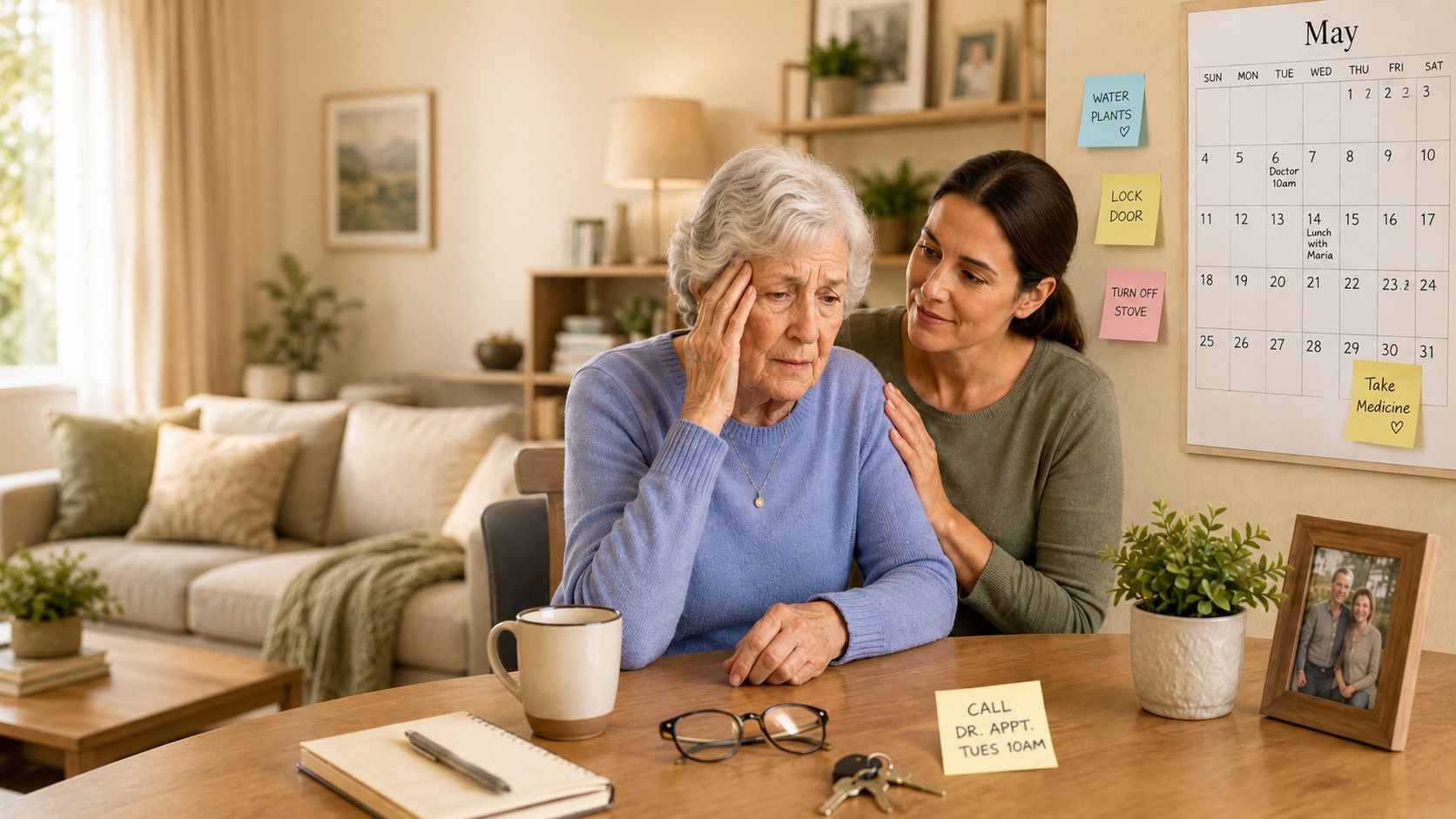
- Forgetting appointments or medications
- Neglecting household tasks that were once routine
These changes can point to cognitive overload, fatigue, or early memory challenges even if ADLs are still intact.
Increased Isolation
Social withdrawal is common as people age, but sudden or noticeable isolation deserves attention. Signs may include.
- Fewer outings or social visits
- Loss of interest in hobbies
- Avoiding phone calls or family interactions
Isolation can contribute to depression, anxiety, and cognitive decline, making early support especially important.
Subtle Safety Concerns
Safety risks don’t always look dramatic at first. Families often notice:
- Unexplained bruises or minor falls
- Burned pots or forgotten appliances
- Difficulty navigating stairs or cluttered spaces
These moments are often dismissed as “normal aging,” but they can indicate the need for extra supervision or support at home.
Emotional and Behavioral Changes
Mood shifts can be just as telling as physical changes. Watch for:
- Increased irritability or frustration
- Anxiety about everyday tasks
- Signs of confusion or disorientation
Emotional changes may reflect cognitive decline, stress, or fear about losing independence, all areas where supportive care can make a meaningful difference.
What to Look for Beyond ADLs
When families begin exploring in-home senior care, it helps to think more broadly about what support really means.
Beyond basic physical assistance, home care can provide:
- Help maintaining daily structure and routines
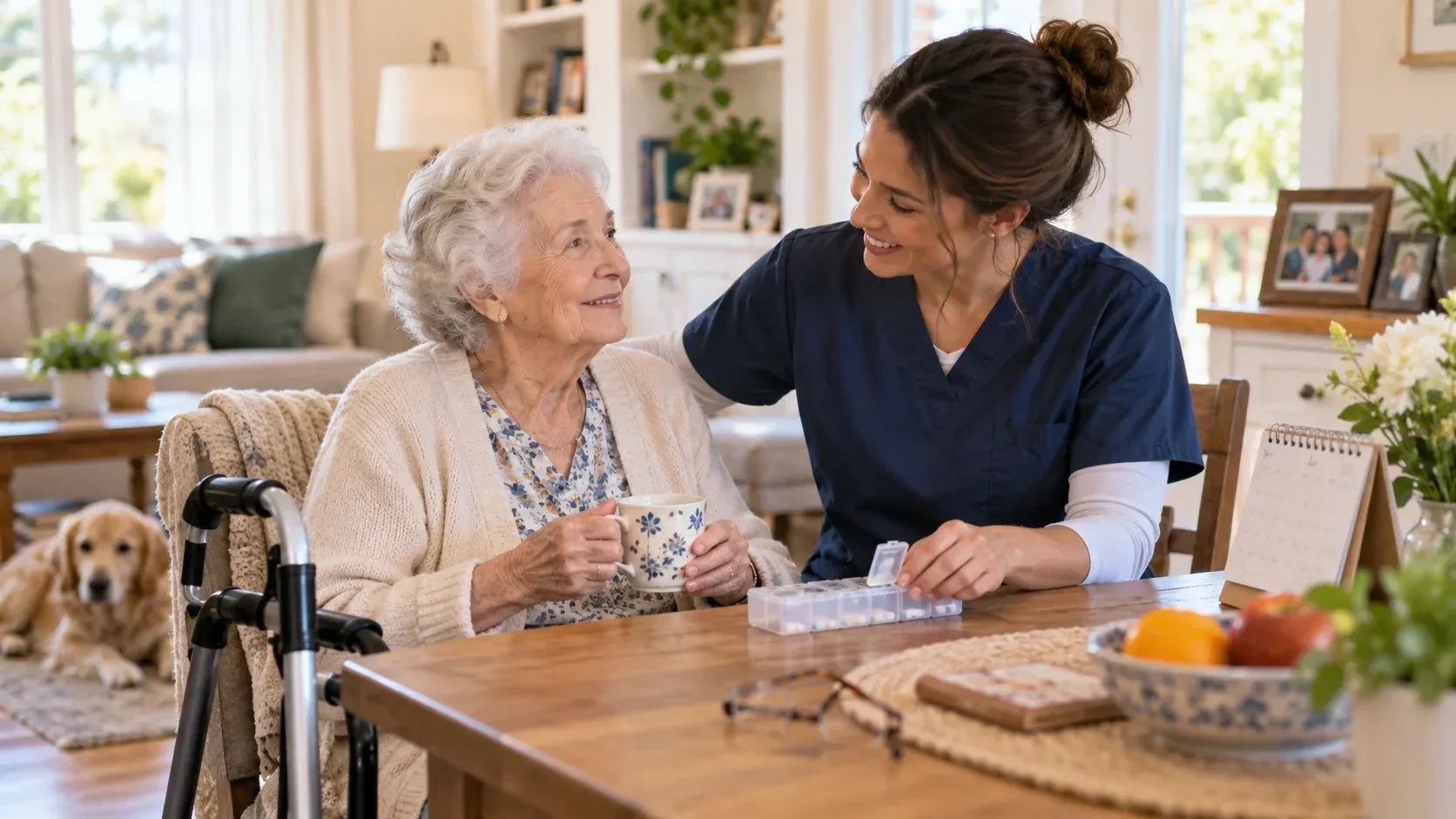
- Medication reminders and wellness check-ins
- Companionship and emotional support
- Assistance with meals, errands, and transportation
- A safer, more supportive home environment
In many cases, the goal isn’t to replace independence it’s to protect it.
Starting the Conversation with a Loved One
Talking about home care can feel uncomfortable, especially if a loved one is resistant. A few tips:
- Focus on safety and quality of life, not limitations
- Frame care as support, not loss of control
- Involve them in decisions whenever possible
Starting the conversation early often leads to smoother transitions and better outcomes.
When Early Support Makes the Biggest Difference
Families often assume home care is only necessary during a crisis. In reality, early support can:
- Prevent accidents and hospitalizations
- Reduce stress for both seniors and family members
- Help seniors remain safely at home longer
- Improve overall well-being and confidencen
Recognizing the need for care before ADLs are severely impacted allows families to act proactively, not reactively.
A Thoughtful Next Step
If you’re noticing small changes and wondering what they might mean, you’re not alone.
Exploring in-home senior care doesn’t require immediate decisions just information, awareness, and thoughtful planning.
Understanding the full picture — beyond ADLs — helps families make choices rooted in care, dignity, and long-term well-being.

While the information provided in this blog is intended to be informative and helpful, it's important to consult with a qualified professional for personalized advice. If you have any concerns or questions about your health or specific medical conditions, don't hesitate to reach out to your physician or another trusted healthcare provider. Your health is important, and seeking professional guidance ensures you receive the best care tailored to your individual needs.