
Tips to Get the Most Out of In-Home Senior Care
Finding quality senior care for yourself or your loved one may feel overwhelming. Selecting a facility that provides a safe, nurturing environment with stimulating activities and meaningful connections for seniors is a challenge. That’s why many people are choosing in-home senior care for better quality care in a familiar setting, with personalized care plans to provide exactly what you or your family member needs. Here are a few tips to get the most out of in-home senior care if you're considering this option.
Have Open and Honest Communication
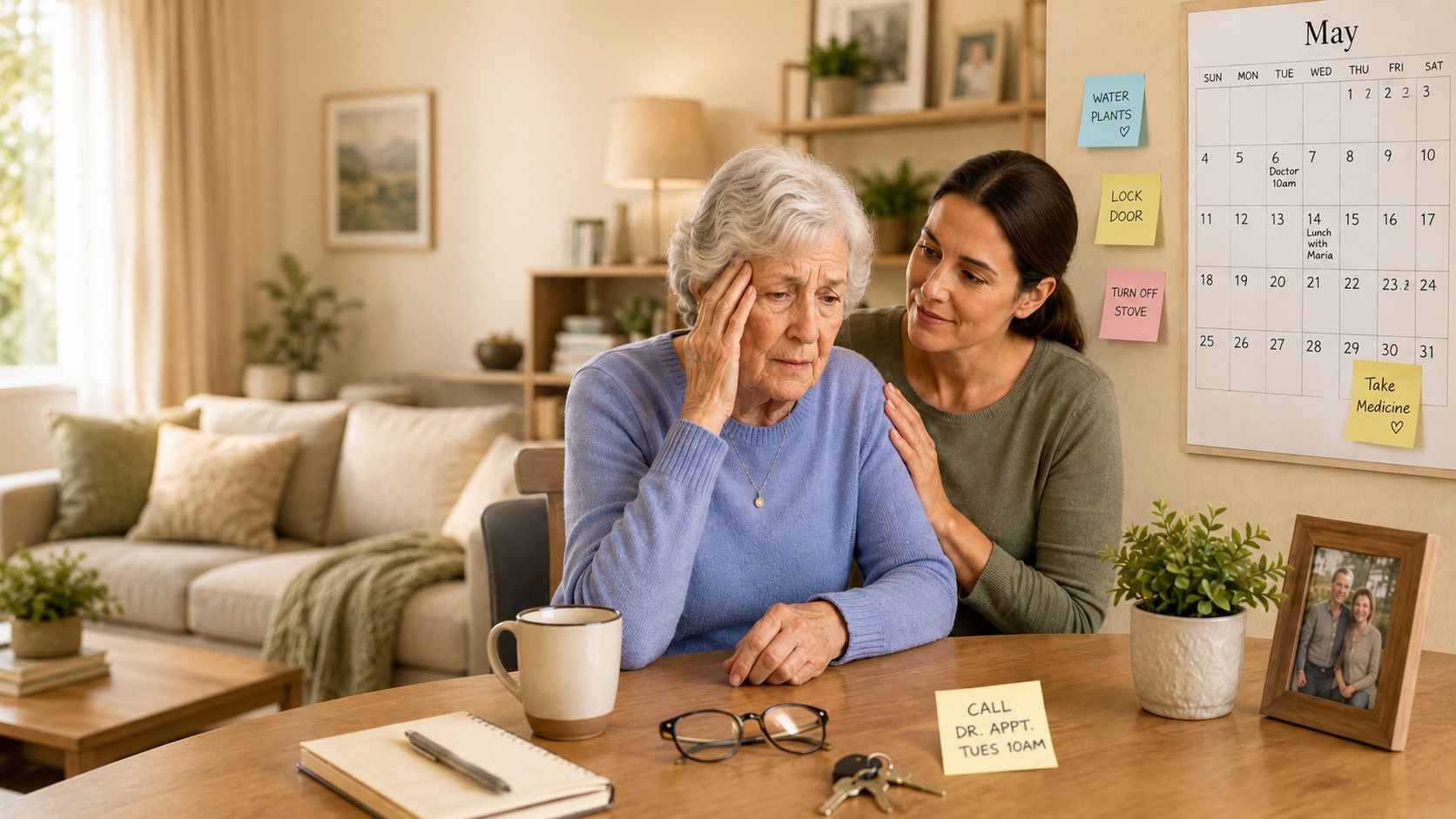
Navigating this new season isn’t easy for individuals or their families. When choosing a provider for in-home care, don’t hesitate to have open and honest communication with your caregivers and doctors about your needs. Your caregiver needs to know about your needs and your preferences so they can meet your expectations and provide the assistance you need.
Your caregiver will also want to know all about your medical history and current needs so they can provide quality care and emotional support. Share your daily routine, meal preferences, and interests with them.
It’s Okay to Begin Slowly
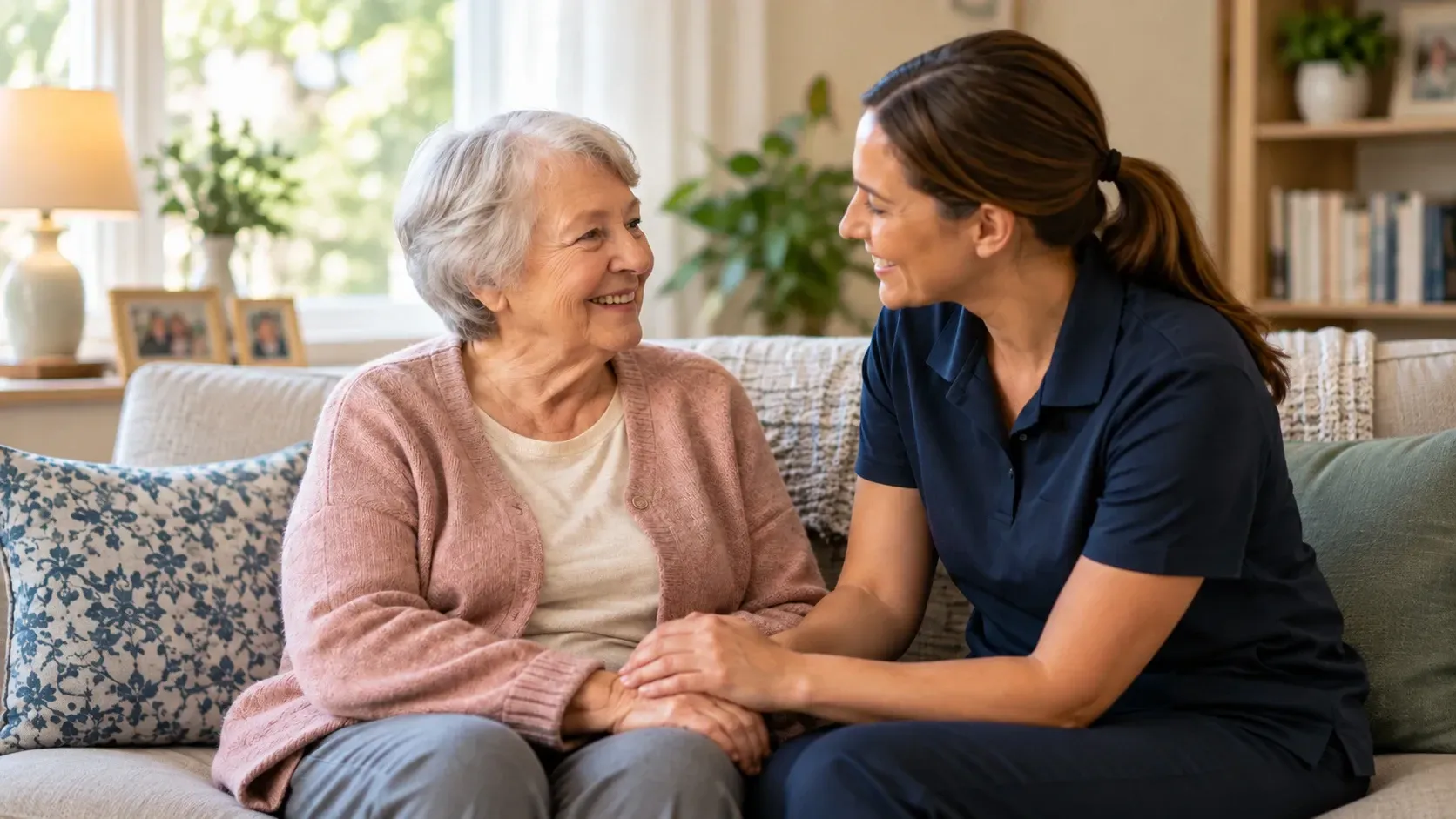
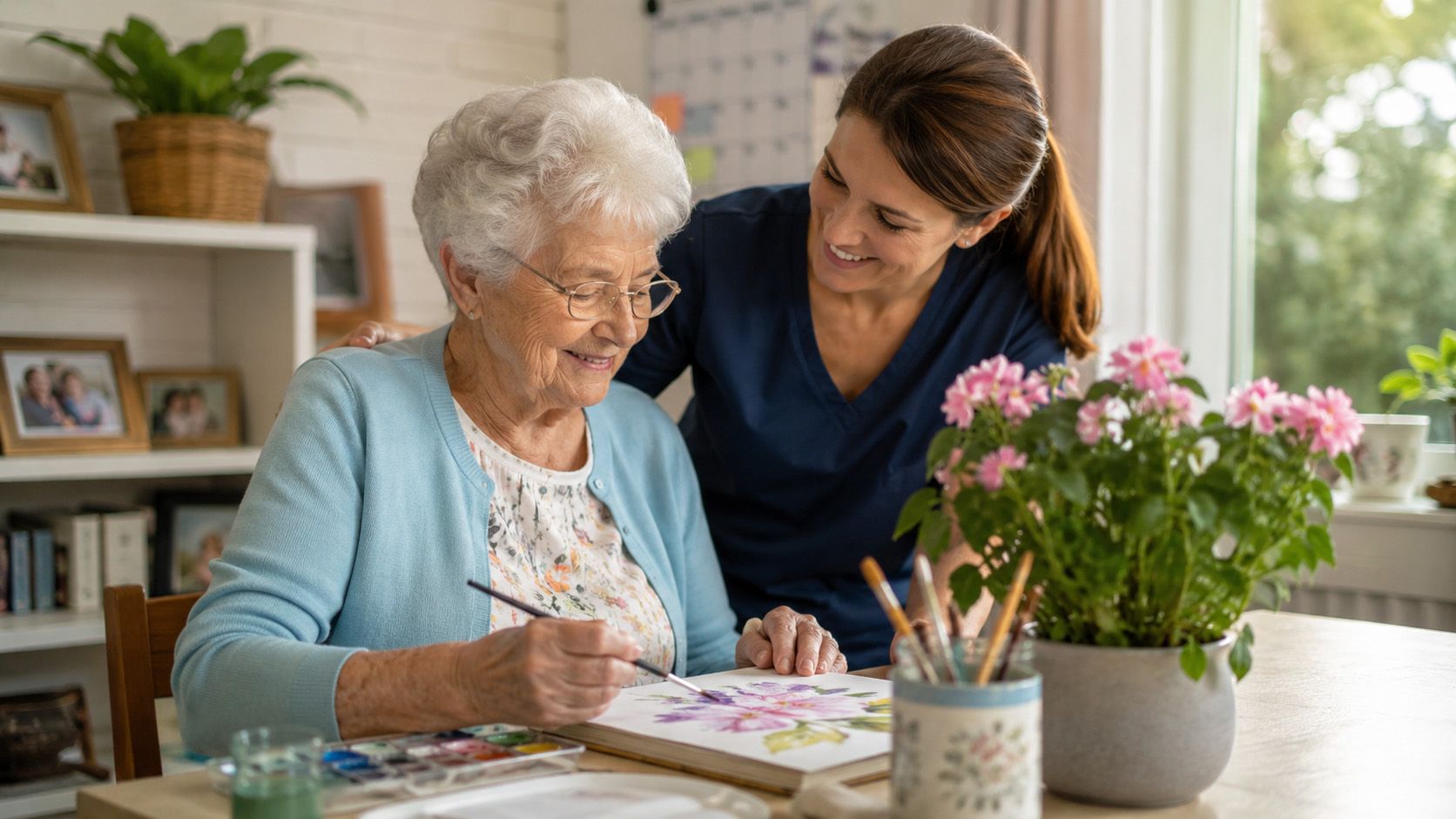
Your caregiver is there to help you with whatever you need. Caregivers may feel like strangers at first, but they understand that in-home senior care is a relationship. It’s okay to begin slowly if you’re able to. Invite your caregiver over once or twice a week to help with errands, household tasks, or to simply visit. Share your favorite activities with them and take some time to get to know each other. Pretty soon, it will be like having a good friend to talk with and who is happy to help you around the house.
Be Prepared for the Transition
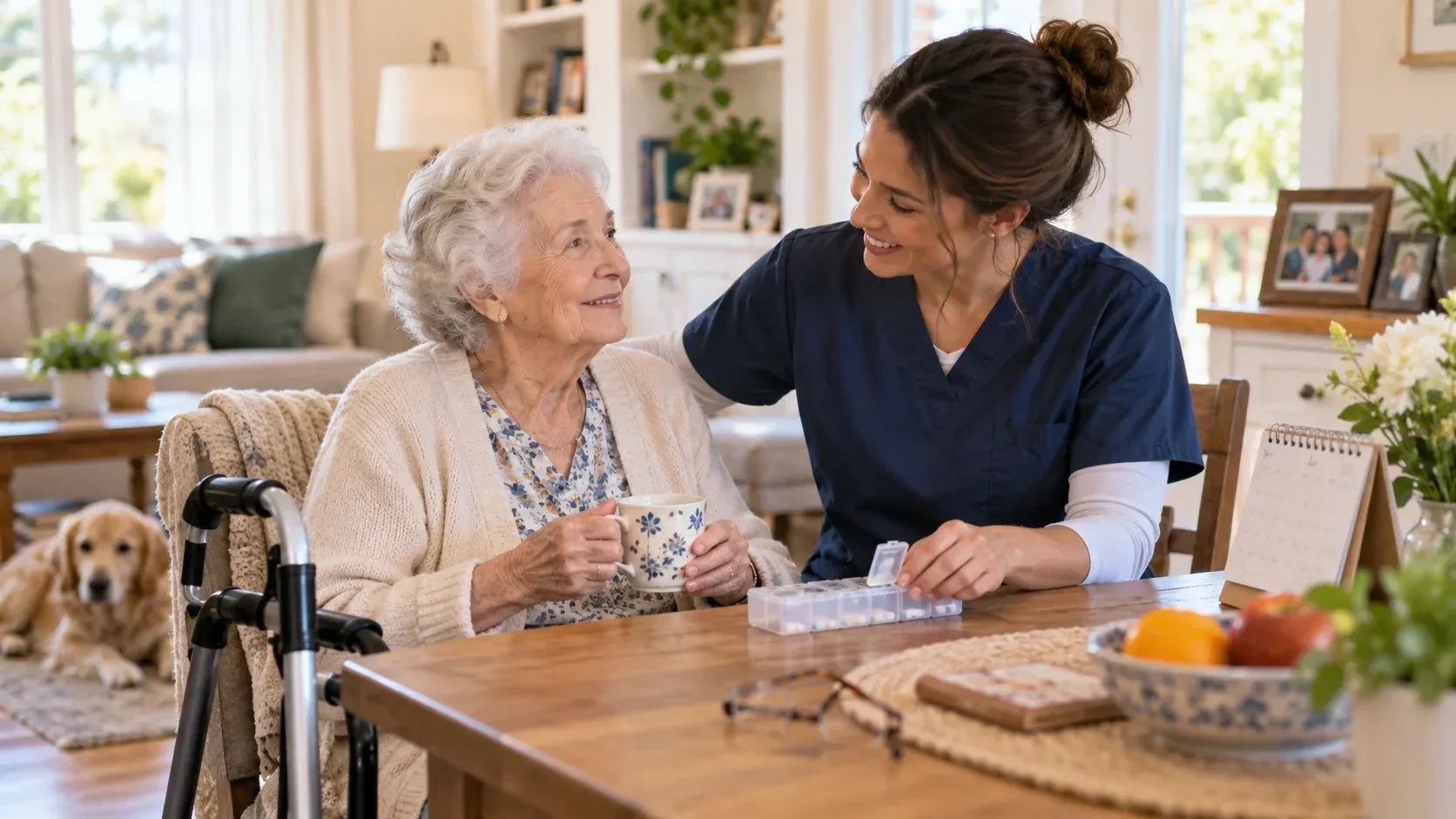
Depending on the level of your care needs, you may need some time to prepare for the transition into in-home care. In-home caregivers know that you are used to your day-to-day routine, prefer meals to be prepared a certain way, and are used to doing things for yourself. This transition may take a little time, but know that your caregiver is happy to assist with whatever you need and wants to make this transition easy for you. Also, if you have pets, let your caregiver know about them ahead of time. This will help your caregiver know what to expect and allow them to get used to one another slowly.
Learn More About Senior Care
Contact Philia Care today if you would like to learn more about in-home senior care services or are ready to get started. Our qualified and compassionate team of caregivers is here to help!

While the information provided in this blog is intended to be informative and helpful, it's important to consult with a qualified professional for personalized advice. If you have any concerns or questions about your health or specific medical conditions, don't hesitate to reach out to your physician or another trusted healthcare provider. Your health is important, and seeking professional guidance ensures you receive the best care tailored to your individual needs.